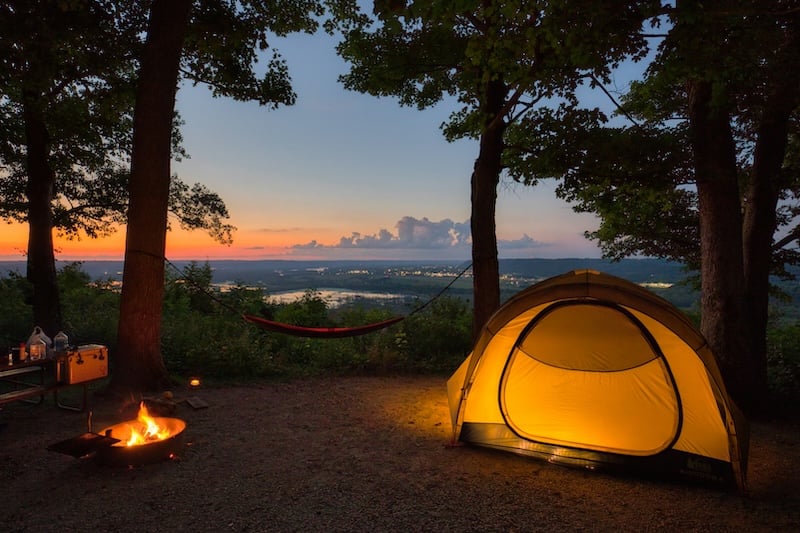
A weekend trip is decided at the kitchen table, before the car leaves the driveway. Most camping problems are simple gear failures, such as a missing tent pole, a forgotten fuel canister, or a sleeping bag rated for the wrong season. A written checklist, grouped by system, turns packing from a memory test into a routine and catches the small items that derail a trip. The list below covers a weekend outdoors, whether you are a solo camper or part of a group.
Shelter and Sleep System
The shelter system has a few pieces that depend on each other. A tent is useless without its poles and stakes, and a rainfly left in the garage turns the first rain into a long night. Extra stakes and a length of guyline cost almost nothing and save a tent in wind.
A footprint or ground sheet protects the tent floor from punctures and adds a moisture barrier underneath. Pack each piece as one unit so none gets left behind.
You’ll also need a sleeping bag. Choose one that easily covers the lowest expected overnight temperature and gives a margin for a cold snap.
A sleeping pad is also important because most heat loss at night goes downward into the cold ground. Pads have an R-value that measures insulation, and a value of four or more covers most weekend trips in mild conditions. Go for a sleeping pad that inflates to a nice deep thickness for extra comfort. A thin foam pad under an inflatable one adds warmth and a backup if the inflatable fails.
Water and Treatment
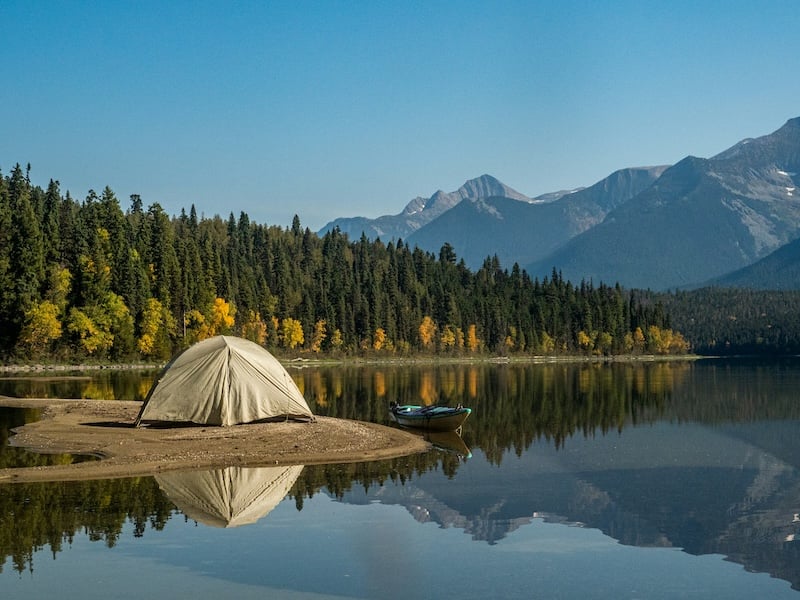
Water is often the heaviest when camping and also the easiest to underestimate. Plan about 7.5 litres per person per day for car-style camping, which covers drinking, cooking and washing. If you are wild camping, you need to think about getting fresh water as your journey and, for this reason, many campers take a filter system or purification tablets.
Camp Kitchen and Cutting Tools
The camp kitchen usually comprises a stove, fuel, pot for cooking and a bowl for eating, plus a way to clean up. A canister stove boils fast and packs small, while a liquid-fuel stove works better in cold weather and at altitude. The item people forget most is fuel, because it gets used at home and never replaced. Match the fuel to the stove and pack a spare canister for a weekend. A pot, a pan, a spork, and a small scrubber cover most meals without a full kitchen.
A cutting tool belongs on every camp list. A folding knife or a multi-tool handles food prep, cordage, and small repairs, while heavier wood calls for a fixed blade. Rugged tactical knives give campers a grippy handle and fast access, and a multi-tool adds pliers and a screwdriver for stove and pole fixes. A single blade, packed every trip, removes a whole category of camp frustration.
Clothing and Layering
Think about clothing in layers rather than a pile of spare outfits. A baselayer helps with warmth and can also allow sweat to evaporate from the skin if you get hot. A midlayer holds extra warmth and a shell, whether windproof or waterproof, blocks wind and rain. Wet cotton clothing in the cold is the classic mistake, because the fabric holds water and pulls heat from the body, so wool and synthetics are the better choice. A few changes of base layers and socks cover sweat and stream crossings for a weekend without overpacking.
Pack a dry set reserved for sleep and keep it sealed in a bag, because nothing restores a cold camper like dry clothes at the end of the day.
Light, Fire and First Aid
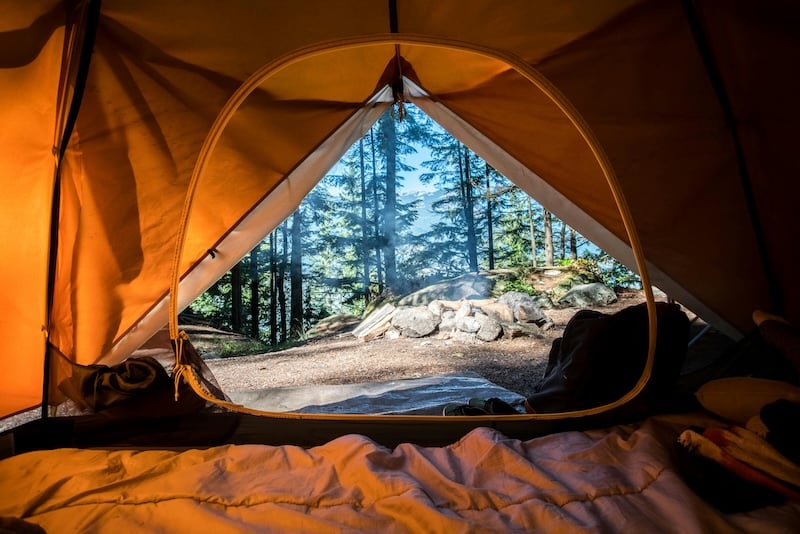
A headlamp beats a handheld light because it leaves both hands free for cooking and setup after dark. Pack spare batteries and check them before leaving, since a dead headlamp is the same as no headlamp at all.
Fire needs more than a lighter. A windproof lighter, waterproof matches, and a small package of fire starter cover wet wood and wind, and a backup ignition source belongs in the kit. Check fire rules for the area before the trip, because burn bans are common in dry months and come with real fines.
A first aid kit rounds out the safety set. The common camp injuries are cuts, burns, and blisters rather than serious emergencies. A basic kit with blister care, tape, antiseptic wipes, and personal medications handles most of them, and learning the basic first aid for burns matters as much as packing the supplies. Refill it after every trip so the next one starts with a full kit.
Food Storage and Wildlife
Food management protects both the wildlife and the camper. Store food, rubbish and scented items like toothpaste well away from the tent and the sleeping area. If you happen to be in bear country, hang a bear bag at least 12 feet off the ground and 6 feet from the trunk, or use a bear canister where regulations require one. A clean cooking area, set away from the tent, keeps smells out of the sleeping space.
The same habits keep a campsite clean and legal. Camp at least 200 feet from lakes and streams to protect the water source, and pack out all trash, including food scraps. These rules come from the Leave No Trace principles, which exist to keep shared sites usable for the next group.
Building the List Once
The value of a camping checklist compounds with every trip. Built once and grouped by system, it turns a frantic morning into a short load-out and catches the cheap items that ruin a weekend when they go missing. After each trip, note what went unused and what was wanted, then adjust the list. A camper who trusts the list stops second-guessing the packing and starts looking forward to the drive. The gear that makes a weekend outdoors comfortable is rarely expensive, and the system that gets it into the car costs nothing but a few minutes of attention.