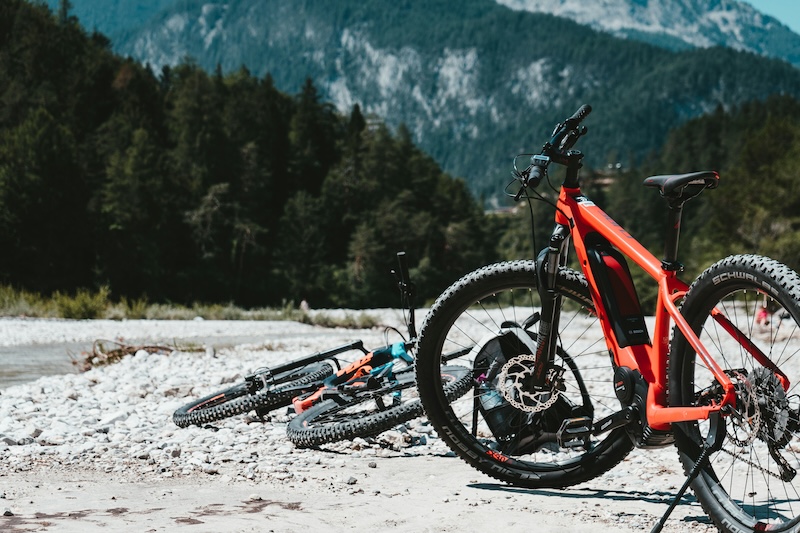
An e-bike can change the scale of a cycling adventure. A route that once seemed too hilly, too long or simply too ambitious for a single day can become much more realistic with electric assistance.
The trick is choosing a bike that suits the places you actually want to ride. A long countryside route rarely stays on one surface. A ride might begin on tarmac, follow a quiet lane into the hills, turn onto a gravel track and eventually reach a rough forest road. The bike needs to remain comfortable and predictable as those surfaces change.
That makes choosing an e-bike for adventure rather different from choosing one mainly for commuting. Battery capacity matters, but so do tyres, gearing, braking, riding position, carrying capacity and the ability to deal with changing conditions.
Credit: Luca Beani / unsplash
Think About the Route Before the Bike
The first step is to picture a typical day on the bike.
Will most of the distance be on paved roads with occasional gravel? Are you planning forest tracks and rougher paths? Will there be long climbs? Are you likely to carry camping equipment or several days’ worth of clothing?
These questions can quickly narrow down the type of e-bike that makes sense.
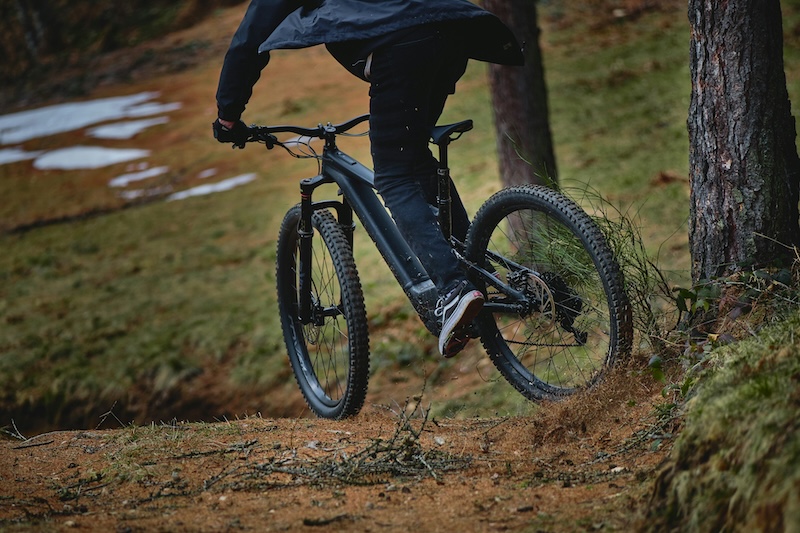
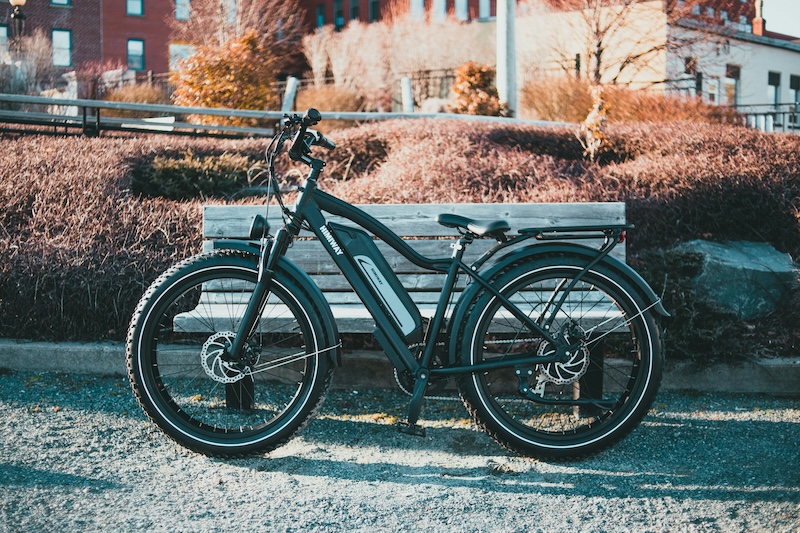
A trekking or hybrid-style e-bike can work well for riders combining roads, cycle paths and reasonably smooth tracks. Someone regularly tackling rougher terrain may need a more robust off-road design with wider tyres and stronger components.
It is easy to be distracted by impressive specifications. A large battery or powerful motor may look appealing on paper, but neither tells you whether the bike will feel right after several hours on a mixed surface.
Mixed Terrain Changes the Tyre Question
Tyres become increasingly important as soon as a ride leaves smooth tarmac.
A narrow, road-focused tyre can roll efficiently and feel quick on paved surfaces. On loose gravel, wet tracks or rougher ground, however, a wider tyre with a suitable tread can provide greater confidence. There is a balance to find.
Very aggressive tread can make long stretches of road feel slower, while an overly slick tyre may leave the rider feeling less secure when the surface becomes loose.
For mixed-terrain riding, versatility is often more useful than specialising too heavily in either direction.
Tyre pressure deserves attention as well. The appropriate pressure depends on the tyre, rider, load and terrain. A setup that works on a smooth road may feel harsh or unsettled on a rough track.
It is worth experimenting with pressures on shorter rides before committing to a full-day adventure.
Credit: James Hoey/ unsplash
Battery Range Needs a Reality Check
Battery range is one of the first specifications people look at when choosing an e-bike for longer rides.
Advertised figures can be useful for comparing models, but they should be treated as a reference rather than a promise of how far the bike will travel on every adventure.
Terrain has a major effect.
A flat route ridden with light assistance can be relatively economical. Repeated climbs, strong headwinds and rough surfaces can require considerably more energy. Rider weight and luggage add to the load, while cold weather can also affect battery performance.
This is why a 40-mile route is not necessarily just a 40-mile route.
Forty miles of mostly flat cycleway can place very different demands on a battery from forty miles of hilly countryside with gravel climbs.
For a longer adventure, look at the elevation profile as carefully as the distance.
Give Yourself a Battery Buffer
Running an e-bike battery close to empty can turn a minor route change into a serious problem.
A wrong turn, an unexpected climb, a closed path or a stop to explore somewhere interesting can all add distance. Planning to finish with some battery remaining gives you room to adapt.
One of the most useful things to do before a major trip is a realistic test ride.
Load the bike with the equipment you expect to carry and ride a route with similar terrain. Record the distance, climbing and battery percentage used.
That gives you a much better idea of what your particular setup can achieve than relying solely on an advertised maximum range.
Comfort Matters More After Four Hours
An e-bike can make climbing easier, but it does not remove the physical demands of sitting in the saddle for a long time.
A comfortable riding position therefore becomes increasingly important as distances increase.
A relaxed position can suit riders who spend long periods exploring rather than chasing speed. Saddle choice, handlebar position and grips can all influence how the bike feels several hours into a ride.
Suspension is another consideration.
A rider who mainly uses roads and smooth gravel may not need a sophisticated suspension system. Someone regularly riding rough tracks may appreciate additional front suspension to reduce the impact of uneven ground.
The right amount of equipment depends on the route. Extra capability can be useful, but it also adds weight and complexity.
Gearing Still Matters on an Electric Bike
It is easy to assume that motor assistance makes gearing less important. It does not. Long climbs still require appropriate gearing, particularly when the bike is carrying luggage. A useful range of gears can make it easier to maintain a comfortable cadence while managing changing gradients.
This becomes even more relevant on mixed-terrain routes where a long road climb can suddenly be followed by a loose or uneven section.
Think about how the gearing will feel when the bike is fully loaded, rather than testing it only on a short unloaded ride.
Credit: Himiway Bikes / unsplash
Brakes Have More Work to Do on Long Descents
A route with significant climbing will usually involve significant descending as well.
Braking becomes particularly important when the bike is carrying additional weight. Rider, luggage and the bike itself all contribute to the total load, and repeated descents can put greater demands on the braking system.
Disc brakes are common on modern e-bikes and can provide strong, controlled braking when properly maintained.
The rider’s technique matters just as much. Descend at a speed appropriate to the surface, look ahead for changes in terrain and avoid treating a gravel descent like a smooth road.
A bike that feels stable and predictable under braking can make a considerable difference when the route becomes more technical.
Consider What the Bike Needs to Carry
Long adventures require more equipment than short rides. Even a day trip can involve waterproofs, food, water, tools, spare clothing and a first-aid kit. A multi-day trip could add camping equipment, extra layers and considerably more luggage. That makes mounting points and load capacity worth checking before buying.
A bike designed for adventure touring may offer useful options for racks, panniers or other bags. The way the luggage is distributed matters, too. Heavy items placed high or far behind the rear axle can affect handling.
Before a major trip, ride the bike with its intended load.
It is much easier to discover that a bag rubs against a wheel or makes the bike feel awkward when you are five miles from home rather than halfway through a remote route.
How Much Off-Road Capability Do You Really Need?
The phrase “off-road” covers a huge range of riding.
A smooth forest road is very different from a rocky singletrack trail. A dry gravel track is different again from a muddy route after several days of rain. That distinction matters when choosing a bike.
For riders searching for electric bikes for outdoor adventures, the most useful question is where those adventures will actually take place.
If the answer is mainly country lanes, gravel roads and maintained tracks, a versatile e-bike may be more practical than a highly specialised mountain bike.
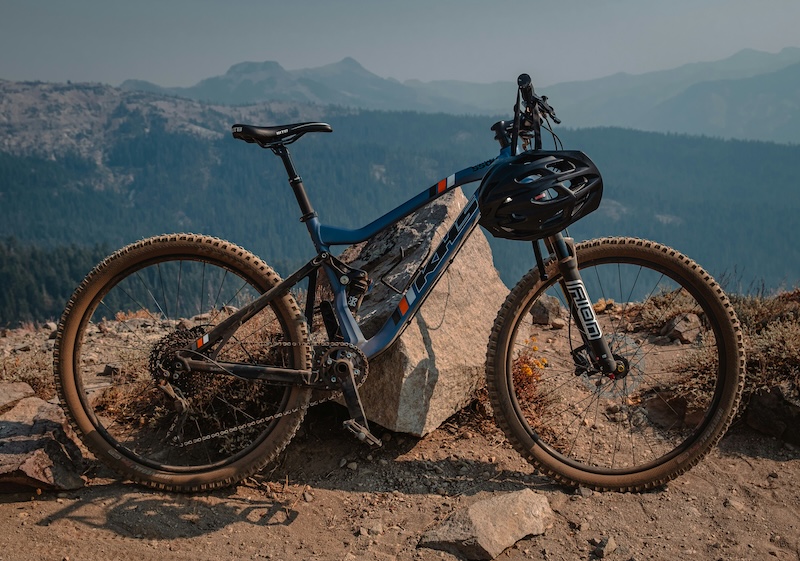
If rough, steep and technical terrain is central to the riding plans, then suspension, tyre width, frame strength and braking capability deserve greater attention.
The bike should be chosen around the terrain, rather than the other way around.
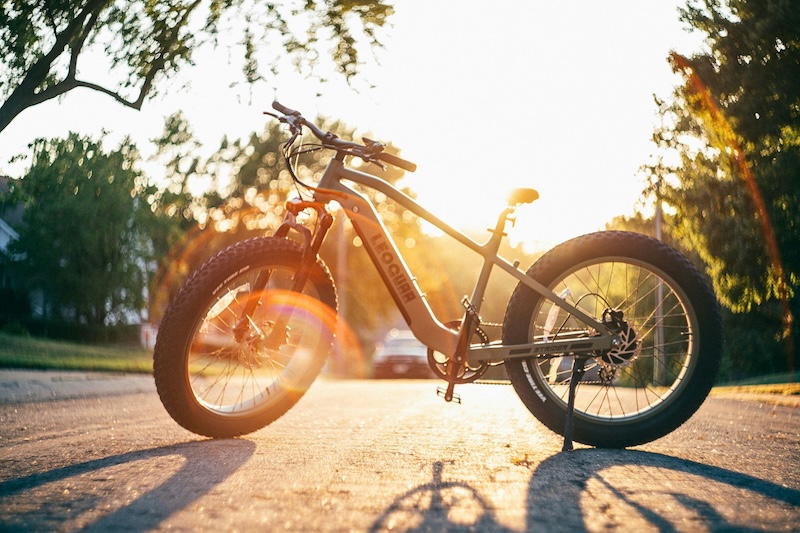
Credit: Leoguar Electric Bikes / unsplash
Do a Proper Test Ride Before a Big Trip
A short test ride around the neighbourhood can tell you whether the controls feel intuitive. It cannot tell you everything about a bike’s suitability for a long adventure. Try to recreate the conditions you expect to encounter.
Ride on a mixture of surfaces. Test some climbs. Carry the luggage you expect to use. Pay attention to how the bike handles at lower speeds and how comfortable you remain after a couple of hours.
Battery use is worth monitoring during this test as well.
If the bike feels excellent for the first 30 minutes but uncomfortable after two hours, that is useful information to discover before planning a multi-day trip.
Route Planning Is Part of Bike Choice
The bike and the route should be considered together.
A map may show a short connection between two locations, but that does not mean the section will be suitable for every bike. Some paths have restrictions, while others may become difficult after wet weather.
Before setting off, check the expected surfaces, elevation, distance between facilities and likely weather conditions.
For longer adventures, identify places where you can stop for food and water. If charging will be necessary, research suitable options before leaving.
A route with slightly more distance but regular services may be a better choice than a shorter route through an area with few options.
Build Up to the Bigger Adventure
There is no need to make the first ride a huge one. Start with a route that gives you a mixture of the terrain you want to explore. Learn how quickly the battery is used, how the bike feels when climbing and how comfortable you are after several hours. Then increase the distance gradually.
This also gives you time to refine your equipment. You may discover that you need different tyre pressures, a better luggage arrangement or another layer of clothing.
Small adjustments can make a noticeable difference on a long ride.
Let the Bike Expand the Route
The appeal of an e-bike for adventure riding comes from the additional possibilities it creates.
A hill that once marked the end of a comfortable ride can become part of the route. A distant village can become a realistic lunch stop. A mixture of road and gravel can be combined into one continuous journey.
That freedom comes with some preparation.
Choose tyres for the surfaces you ride, allow plenty of battery capacity for the terrain, test the loaded bike and plan the route around realistic distances. Think about comfort as carefully as motor assistance, especially when the ride will last most of the day.
The best e-bike for a longer adventure is ultimately the one that fits the journey ahead. When the equipment, route and rider are properly matched, the road can become only the beginning of the adventure.
About the Author
Jamie Calder is a weekend cyclist and outdoor gear writer who enjoys combining road rides with gravel tracks and longer countryside routes. Jamie focuses on practical cycling equipment and route preparation, with a particular interest in making extended outdoor rides more comfortable and manageable.