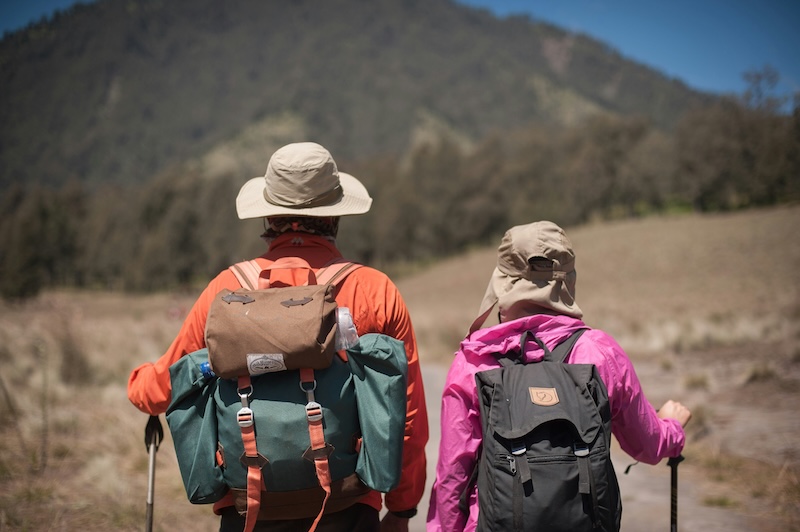
Getting older doesn’t have to mean you will have to stop exploring outdoors. Age might change your stamina and speed and where and how you’re happy to travel, but by making a few simple changes, you’ll be able to comfortably continue enjoying the outdoors.
Maintaining your fitness
The best way to ensure you can enjoy outdoor activities to the full for as long as possible is to put fitness at the heart of your regular routine. Consistency with exercise will help to preserve your physical independence – combatting muscle loss and strengthening bones and stability – and supporting you in doing more for longer. Regular aerobic activity also regulates blood pressure, lowers the risk of heart disease and stroke and makes it easier to manage chronic conditions.
You don’t necessarily need to be doing vigorous cardiovascular exercise or in the gym every day. Gentle load-bearing exercise like brisk walking is a great option, as are simply bodyweight exercises you can do at home like squats and calf raises. Gradually increase distance or difficulty and remember that activity frequency is the most important factor.
Choosing suitable activities
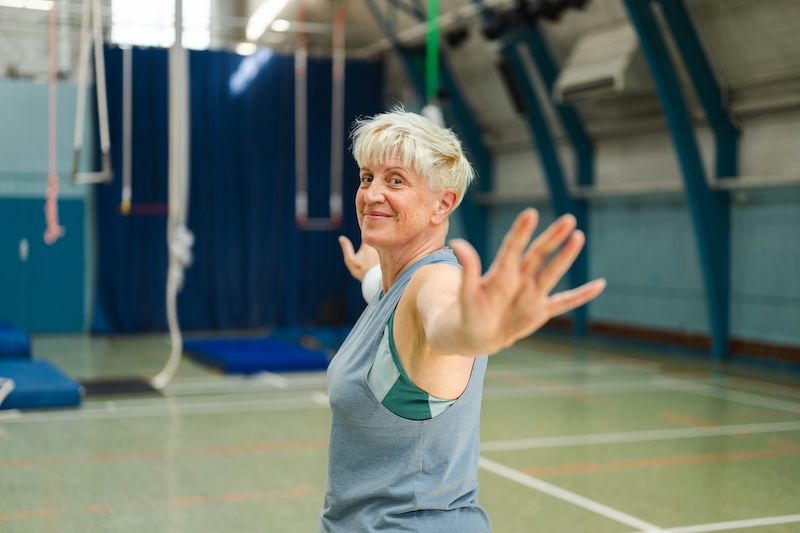
When planning your excursions, think carefully about what’s manageable for you before settling on any activities – bearing in mind that this will shift depending on unpredictable factors, such as your quality of sleep and energy level. If possible, it might be best to leave the decision until the day of. The right activity should challenge you without being an endurance test.
Think about your current fitness alongside practical factors that can impact difficulty like experience, terrain and weather. Adapt familiar activities if they’re becoming harder. Cyclists could exchange steep mountain routes for lower-level trails with good surfaces, for example, or use an e-bike to take some of the strain out of longer, hillier rides. Walking poles can offer extra support on uneven hiking trails. Making these adjustments lets you concentrate on enjoying your surroundings rather than simply reaching the finish.
Prioritising your health
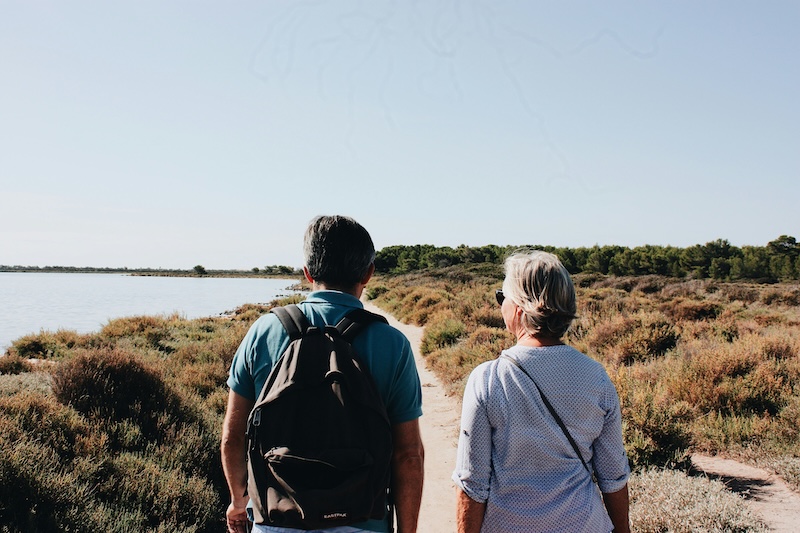
Especially if you’re managing a long-term or chronic condition, ensure you put your health at the heart of your plans. You need to feel motivated by activities that feel possible rather than frustrated by those beyond your comfort zone. Trying to just “go with the flow” and ignoring your needs is likely to lead to negative or even dangerous experiences that will put you off long-term. If you’re unsure of what you’re capable of, speak to your GP for advice.
Preparation becomes especially important when travelling abroad to explore. Take enough medication for your trip and keep essential supplies on you and easily accessible when you’re out. You should also consider appropriate medical travel insurance cover which provides financial protection if you need to organise care beyond the standard state-healthcare equivalent.
Allowing for rest
When you’re exploring – especially if you’re on holiday and you’re being active every day for an extended period – make sure you’re allowing time for rest. This is important in protecting against physical injury and against tiredness and mental burnout, helping you remain balanced and positive during your excursions. It might be at odds with how you used to approach activities, so remind yourself that rest doesn’t mean losing momentum in life.
Physical rest is most important. Sit quietly with a book, enjoy a massage to stretch and soothe sore muscles and prioritise getting high-quality sleep. During an activity, regular pauses for water and food or a short sit-down can help prevent tiredness from taking the enjoyment out of the final few miles.
Exploring alternative experiences
You can still get the sense of discovery that makes outdoor adventures rewarding without being overly physical. Finding new ways to explore opens up possibilities that will suit your abilities as they change with age, reassuring you that you can keep enjoying the outdoors in later life.
Take in beautiful views on one the world’s greatest rail journeys, which range from half-day transfers along mountain passes to multi-day, ultra-luxury, continent-crossing train rides. Boat rides and guided nature tours, from walks to drives, are peaceful ways to get up close and personal with the outdoors.