We’ve all done it. You buy the cheaper head torch, the bargain waterproof or the no-name multitool, and 12 months later you’re buying it again. Repeat that across a whole kit list and the “budget” option ends up costing more, in money, in landfill and in the moments when kit lets you down at the worst possible time.
The alternative is an old idea that’s back in fashion: Buy once, buy well. Choose gear that is designed to be used hard, repaired rather than replaced, and backed by a manufacturer willing to put its money where its marketing is.
How to Spot Gear That’s Genuinely Built to Last
A premium price tag alone doesn’t guarantee longevity. Before you buy, look for these signs:
- Materials you can name. “High-quality steel” means nothing. A specific steel grade, a stated fabric denier or a named membrane means the brand is confident enough to be checked.
- Repairability. Replaceable parts, available spares and a repair service are the clearest signal that a product is meant to stay in use for decades.
- Simple, proven construction. Fewer gimmicks usually means fewer points of failure.
- A long, clear warranty. Not “limited” in ways you need a solicitor to decode, but a straightforward promise covering defects in materials and workmanship.

Why a Long Warranty Is the Real Proof
A warranty is the most honest marketing a brand can offer, because it costs real money if the product fails. A short or heavily limited guarantee tells you the manufacturer expects problems. A long, simple one tells you they’ve done the engineering and testing to be confident it won’t happen.
Leatherman is a good example. Every multitool leaves the company’s factory in Portland, Oregon, backed by a 25-year warranty covering defects in materials and workmanship. If a tool breaks or fails in normal use, it goes back to Leatherman to be repaired or replaced, rather than ending up in the bin.
That matters because a multitool is often the piece of kit that gets used, and abused, the most. It’s the tool you reach for to fix a stove, tighten a loose screw on a bike rack or cut cordage when you’re pitching a tarp in the rain.
A Lifetime Tool for Everyday and Outdoor Use
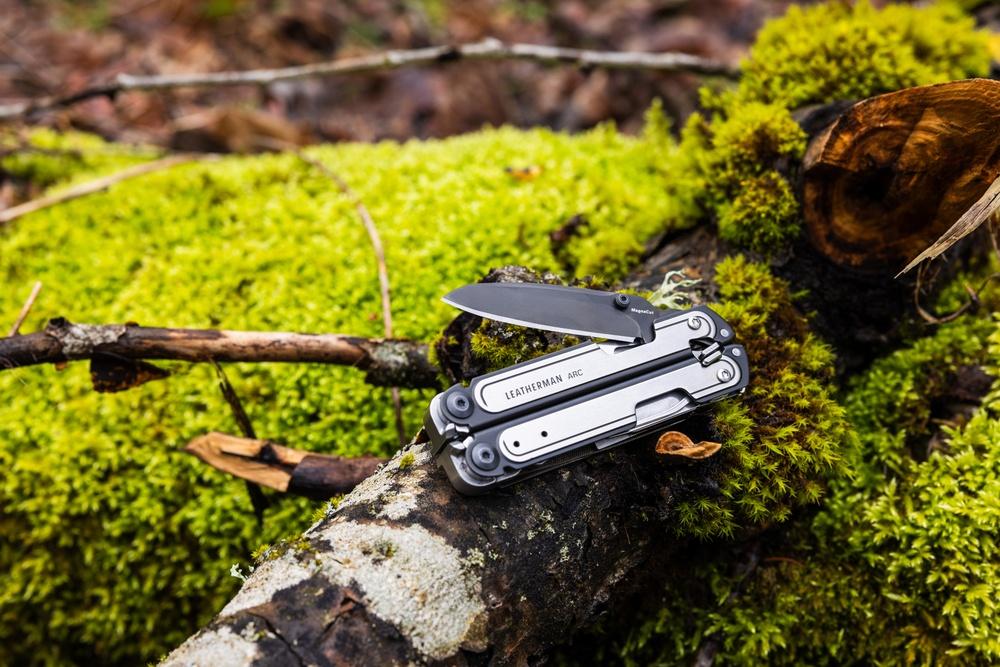
If you’re choosing one multitool to carry for the long haul, the Leatherman Arc is a strong example of how the buy-once philosophy looks in practice. It packs 20 tools into a compact frame and was the first multitool to feature a MagnaCut steel blade, a steel known for holding its edge for longer while resisting rust, which is exactly what you want from something that will spend years in a damp rucksack or a van door pocket.
It also uses Leatherman’s magnetic FREE® technology, so every tool, including the pliers, opens smoothly with one hand and locks securely in place. Needlenose pliers, replaceable wire cutters, large and small bit drivers, a saw, spring-action scissors and a diamond-coated file all sit in one package, and the build quality is the kind you notice the first time you put real pressure on the jaws.

Three habits will help any lifetime tool actually last a lifetime:
- Clean it after muddy or salty trips. Warm water, a dry cloth and a drop of oil on the pivots.
- Use the right tool for the job. Pliers aren’t a hammer, and a blade isn’t a pry bar.
- Register your product and keep the receipt, so warranty claims are quick and painless.
Summary
Buying well isn’t about spending more. It’s about spending once. Look for named materials, repairability and a warranty long enough to make the manufacturer nervous if they’ve cut corners. Build your kit around pieces like that, and you’ll spend less time replacing gear and more time actually using it.
FAQ
What does Leatherman’s 25-year warranty cover?
It covers defects in materials and workmanship. If your multitool breaks or fails in normal use, Leatherman repairs or replaces it. Registering the tool and keeping your receipt makes any claim quicker.
What makes MagnaCut steel special?
MagnaCut is a premium stainless steel that combines long edge retention, blade strength and corrosion resistance. The Leatherman ARC was the first multitool to use it, so the blade stays sharp for longer and copes well with damp, muddy conditions.
How do I keep a multitool working for decades?
Rinse it with fresh water after muddy or salty trips, dry it thoroughly, and put a drop of oil on the pivots. Use each tool for its intended job, and the multitool will keep working smoothly for years.