Smartphones and GPS navigation units are an important tool for hillwalkers, trail runners and bikepackers these days. The devices provide real-time mapping, emergency SOS and access to weather forecasts, among other assets. Sometimes, they are put to the test in the field by driving rain, freezing mountain winds and rough terrain. The problem with a flat battery or a waterlogged screen is it can leave you completely stranded without your maps and without any means of communication in the middle of nowhere. The outdoor enthusiast has to go one step further and combine rugged hardware protection with a good measure of digital security to keep their electronic lifeline intact for the duration of every expedition.
Protection for primary communication tools and digital confirmations
Adventurers will often store their hostel bookings, train tickets and emergency medical contacts on their mobile phone. Every time you’re swapping out your trip confirmations on commercial platforms, you’re going to be exposing your itinerary to tracking networks as you’re syncing those files up at busy trailhead cafés.
If you keep your booking details in a secure private email account, you effectively hide your registration codes, insurance and travel plans from prying eyes. You can also keep your documents completely separate from your social media profiles to avoid inadvertently leaking your location while you’re out in the backcountry. It’s a digital firewall that keeps your private information safe, even if you recharge your phone in a crowded hostel drying room.
Professional mountaineering and key trail safety protocols
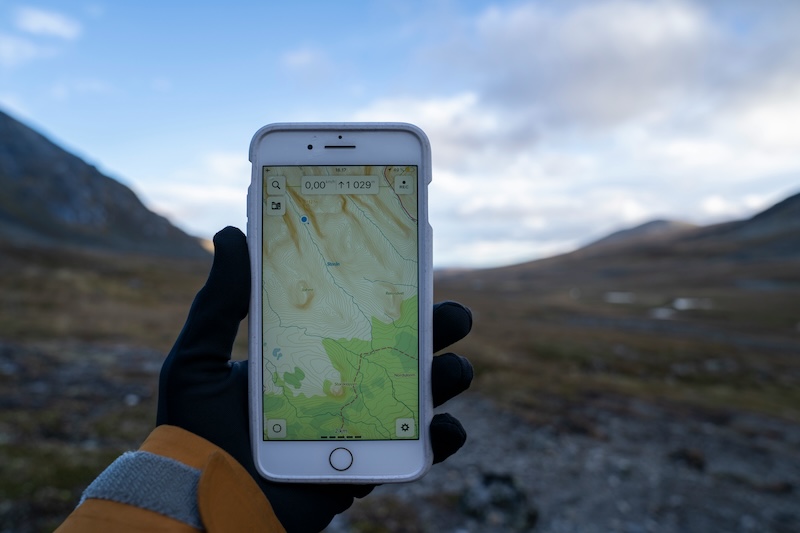
Upland weather systems can turn a clear mountain path into a hazardous proposition in the space of minutes. A careful reading of a winter mountaineering and navigation course report will go some way toward explaining how a sub-zero blizzard can drain device batteries, freeze your navigation screen and demand the very highest level of navigational skill.
Experienced mountain leaders will tell you that you must be proficient in the use of an analogue compass, as well as your digital devices before you attempt to navigate steep corries and high plateaus. If you do that, you can be prepared for the temperature drops, you can keep your devices warm against the freezing gale winds and you can navigate the highland terrain with complete confidence.
Proven wilderness expedition logs help organise trail kit
Wild expeditions into roadless glens and remote coastal peninsulas require a very careful approach to preparation and kit selection. A quick scan through trail stories and outdoor adventure accounts will give you an idea of what a realistic kit pack-up looks like, what a typical remote itinerary involves and how to deal with unpredictable Scottish weather.
An experienced walker will know that standard jacket pockets are a poor option for protecting a smartphone from driving rain (it’s a very real risk of water getting into the port and causing damage), so roll-top waterproof pouches and heavy-duty dry sacks are a necessity for wet expeditions. A proper look at the trail stories helps you select the right protective gear, avoid the cost of water damage and keep your comms working over several days in the field.
Battery reserve management and navigation backups
Modern touchscreens and GPS software are power hogs over a long day on the hill. You can switch devices to flight mode to cut down on background power consumption and extend operating life in areas of poor mobile signal.
A robust, high-capacity power bank should be packed in an airtight container in your rucksack so you can recharge essential headlamps and your phone at a remote bivouac. A waterproof physical map and a magnetic baseplate compass should also be carried so that, in the event of sudden electronic failure, you aren’t left lost and disorientated in thick mountain fog. The ideal approach is to combine the benefits of digital navigation with the reliability of tried-and-tested analogue alternatives.
Disciplined tech habits will turn a wild wilderness expedition into a safe and enjoyable outdoor experience. You can protect yourself and your personal data by encrypting personal travel messages, reading mountain journalism of the experts, checking adventure archives, and of course carrying a good backup power bank. Getting all of these field practices right before you go on your next trek will protect your electronics and give you the confidence to explore remote tracks.