
There is a big difference between packing a suitcase for a lazy week on a Mediterranean sun lounger and prepping for a more intense outdoor adventure. Whether you are counting down the days to your first overseas adventure trip, organising an extensive multi-day hike across the mountains, or mapping out an adrenaline-fuelled active travel Europe trek, the logistics shift dramatically.
You are competent in your sport and you know your limits, your stamina and your gear. But when you take those activities across borders, it is too easy to underestimate the unique financial and administrative hurdles that come with the territory.
Getting your logistical ducks in a row ensures your focus stays exactly where it belongs: On the trail, the slopes, or the tarmac. Let’s look at how to tackle active holiday abroad planning like a seasoned pro.
The Pre-Departure Travel Admin Checklist
When you are pushing your physical limits in a foreign country, a standard holiday checklist simply won’t cut it. You need a targeted travel admin checklist that explicitly accounts for the realities of outdoor sports.
Specialist Outdoor Insurance
Do not skimp here. A standard high-street policy often carries strict exclusions for what they deem “hazardous activities.” If you require a mountain helicopter rescue while trekking above a certain altitude or skiing off-piste, an ordinary policy will leave you completely exposed to catastrophic financial liability. Ensure you secure travel insurance outdoor activities providers explicitly clear for your exact sport, including search and rescue coverage.
Equipment Logistics
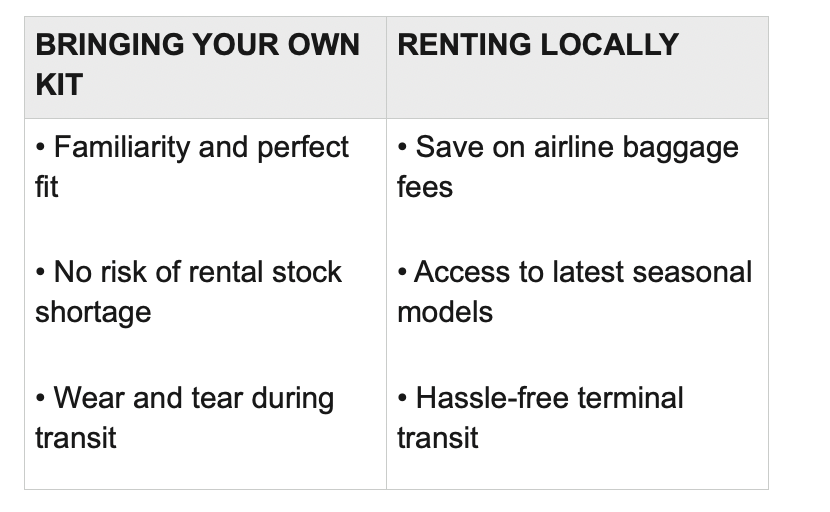
Are you renting locally or bringing your own technical kit for travelling abroad? If you are flying with your mountain bike or skis, airlines charge steep oversized baggage fees that must be factored in early.
Budgeting for Active Holidays: Managing the Cash
Outdoor adventures have highly unpredictable cash requirements. While a city break allows you to map out exact restaurant costs, an active expedition throws unexpected variables your way. Think about sudden mountain refuge fees, trail permits, backcountry national park passes, or emergency local taxi transfers when bad weather closes a mountain pass.
Crucial Financial Realities
You cannot rely entirely on digital payments when you are halfway up a mountain. Small alpine huts in the European Alps, remote trailheads, and rural transit vans rarely feature modern card readers. If you want a warm bowl of soup or an emergency map, you need physical banknotes.
But here’s the catch: Waiting until you arrive at the airport terminal to secure your cash is a massive mistake. You must avoid airport currency exchange desks at all costs. These captive kiosks impose horrific conversion markups that can instantly burn through 10% to 15% of your hard-earned funds before your trip even starts.
The Smart Way to Source Your Currency
To keep budgeting for active holidays manageable, you want your money working entirely for you. Rather than dealing with low-rate airport traps or limited high-street bank stocks, the smartest move is to secure your cash via a specialized online provider.
When I am mapping out my Alps travel money requirements or prepping the specific currency exchange for ski trip needs, I always buy euros online from a trusted UK platform like Travel FX.
Because they function as an online broker without expensive physical storefronts, they pass the savings directly to you with bank-beating, wholesale exchange rates that update every few minutes. Your physical travel money Europe cash or specialized currencies are delivered fully insured directly to your doorstep via Royal Mail Special Delivery.
Taming the Overseas ATM Fees
Eventually, you may need to top up your physical cash while abroad. Pulling money out of local cash machines can quietly accumulate severe ATM fees abroad if you don’t pay close attention to the on-screen prompts.
- Consolidate Your Swaps: Avoid making frequent, tiny withdrawals at mountain base stations. Every transaction usually triggers a fixed local network fee. Pull out larger blocks less frequently.
- The Conversion Trap: When an international ATM detects your UK banking card, it will often ask if you want to be billed in British Pounds (GBP) instead of the local currency. This triggers Dynamic Currency Conversion (DCC), which introduces an arbitrary house exchange rate markup. Always select the local currency (Euros, Swiss Francs, etc.) to ensure your own bank handles the swap fairly.
These practical travel money tips UK adventurers use will keep your transaction costs to an absolute minimum, ensuring your funds are spent on experiences rather than bank margins.
Frequently Asked Questions
What specific travel money for ski trip expenses should I prepare for?
When packing your travel money for ski trip adventures, ensure you have enough physical local currency for ski-lockers, mountain-side mid-day snacks, tipping ski instructors, and local resort shuttle buses, as these specific venues frequently reject international credit cards.
How far in advance should I order specialized or exotic currencies online?
While mainstream options like travel money Europe euros are processed incredibly quickly, it is always best to place your online currency order at least three to five business days before departure to ensure seamless processing and guaranteed next-day home delivery.
What should I look for in a technical kit for travelling abroad?
Focus heavily on versatility and weight reduction. Prioritize high-quality, moisture-wicking layers, a completely waterproof outer shell, universal power adapters for your navigation tech, and highly secure, water-resistant travel wallets to protect your cash and cards while on the move.