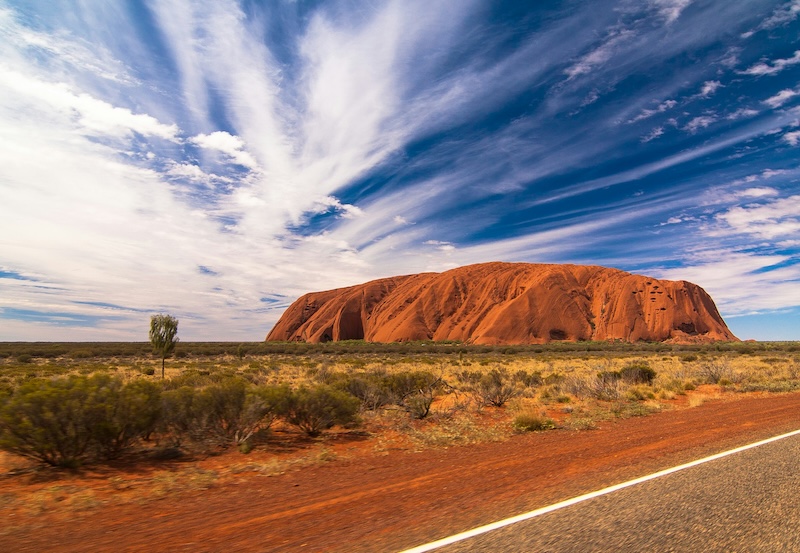
For many British travellers, Australia has long been imagined as a once-in-a-lifetime road trip: A campervan, a long coastal highway, a few famous beaches and perhaps a quick photo at the big-name landmarks.
But a quieter shift is taking place. More outdoors-minded visitors are starting to see Australia less as a country to drive through and more as one to walk into. That change feels especially relevant for UK hikers, runners, wild swimmers and adventure travellers who are used to earning a view.
Before booking flights or plotting a route across time zones, it is worth sorting the practical entry details, including the Australia eVisitor, so the exciting part of planning can focus on landscapes rather than paperwork.
The trend is timely. Adventure and nature-based travel are both gaining momentum, and Australia is leaning into its national parks, guided walks, Indigenous-led experiences and conservation-focused itineraries.
The new appeal of travelling slowly in a huge country
Australia is enormous, which can tempt visitors into over-planning. It is easy to build an itinerary that looks exciting on a map but feels exhausting in real life: Sydney, Melbourne, Uluru, Cairns, Tasmania and the Great Ocean Road, all squeezed into a short holiday.
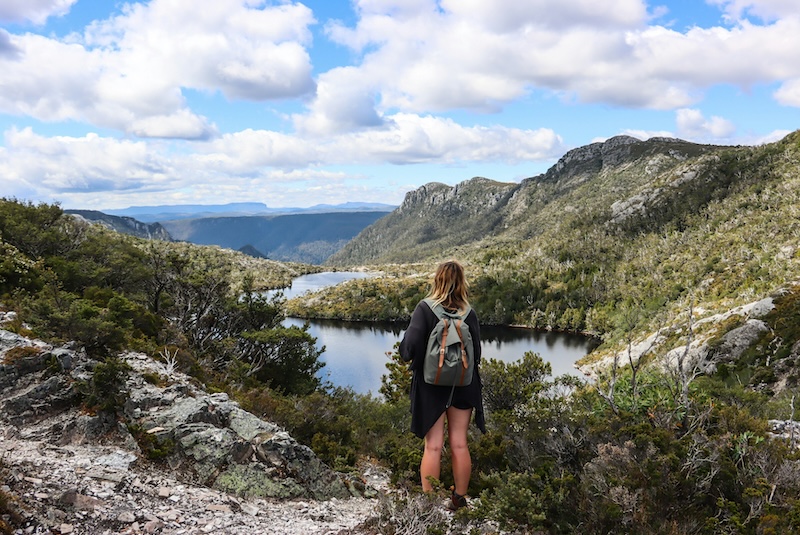
The more interesting approach is to do less, but do it properly. Instead of collecting airports, travellers are choosing one or two regions and going deeper. That might mean a multi-day trail, a national park stay, a coastal walk, or a few days in a small town that gives access to wild places.
This slower style of travel suits outdoor people. Walkers understand that distance is not always the point. Sometimes the best day is not the one with the most kilometres, but the one with the best light, the strangest bird call, the coldest swim or the longest pause at a viewpoint.
Australia is becoming a walking destination, not just a sightseeing one
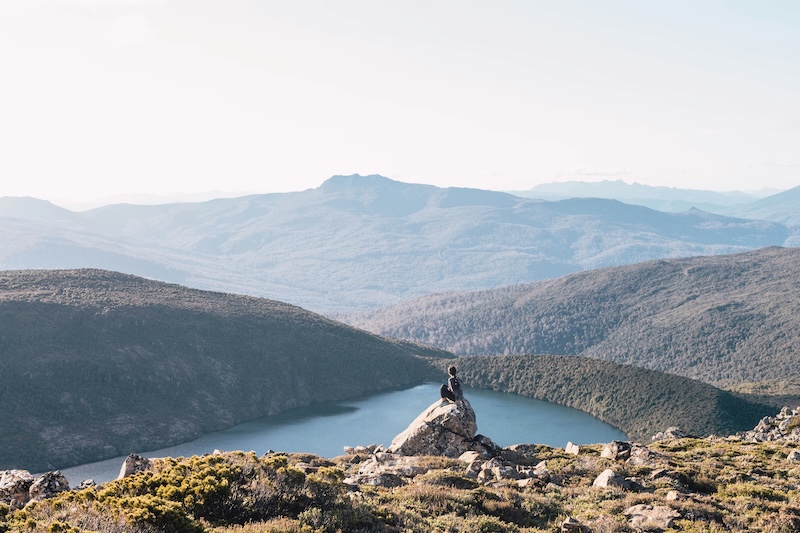
Australia’s walking scene is more varied than many first-time visitors realise. There are:
- Tropical rainforest trails
- Red desert routes
- Alpine paths
- Coastal tracks
- Island walks, and
- Remote wilderness journeys.
Tourism Australia promotes the country’s national parks as major nature destinations, while Parks Australia manages iconic protected places including Kakadu and Uluṟu-Kata Tjuṯa.
Walking is being positioned as a richer form of travel, not merely a free activity between bigger attractions. One recent example is the new Uluṟu Kakararra Trail, a multi-day walking experience developed with Anangu traditional owners and Parks Australia, which has drawn attention for combining desert landscapes, cultural learning and low-impact camps.
For British travellers, this is a compelling alternative to the standard Australian greatest-hits itinerary. Walking allows you to really feel the scale of the country rather than simply observe it. It also encourages better travel habits: fewer rushed transfers, more local guiding, and more time spent understanding the land.
Where outdoor-minded British travellers should look
Tasmania for serious walkers
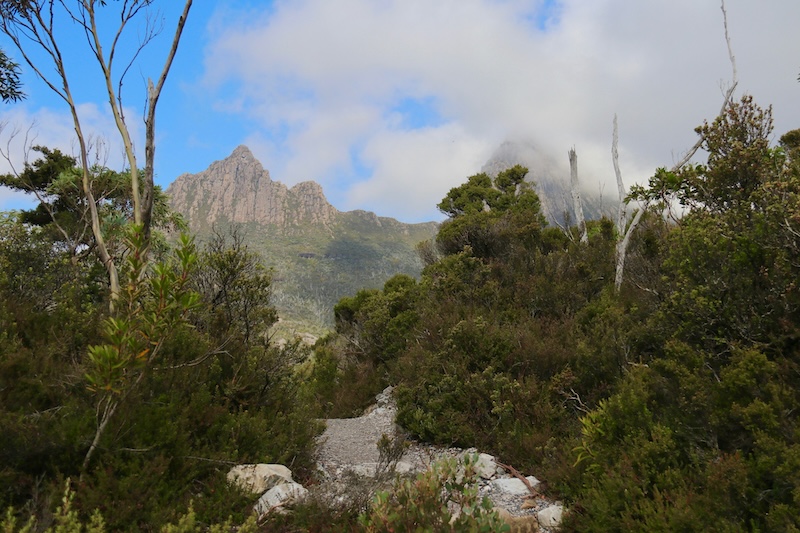
Tasmania is arguably the easiest sell for UK hikers who like wild weather, big skies and proper trails. It has mountains, lakes, rainforest, empty beaches and a walking culture that feels familiar but far more remote.
The Overland Track remains one of Australia’s classic multi-day hikes, but Tasmania also works well for travellers who prefer shorter day walks combined with comfortable accommodation. It is a good choice for those who want a trip that feels outdoorsy without needing to be extreme every day.
The Red Centre for a different kind of challenge
Central Australia offers something UK walkers cannot easily replicate at home: Desert walking, vast horizons and landscapes shaped by deep time. The distances, heat and cultural sensitivity require planning and respect, but the rewards are immense.
This is not the place to improvise casually. Travellers should check official park information, seasonal access, temperatures and safety guidance before setting out. In desert environments, a short walk can become serious if you underestimate the conditions.
New South Wales for variety
New South Wales is useful for visitors who want a mix of city time and outdoor escape. Sydney can be paired with coastal walks, the Blue Mountains, national parks and wildlife-rich routes without needing to disappear into the outback.
It is also a good option for travellers visiting around major sporting or cultural events, because it allows an itinerary to combine urban energy with accessible adventure.
Western Australia for space
Western Australia is for travellers who want scale. It demands more time and planning, but the appeal is obvious: huge beaches, remote gorges, coral coastlines and landscapes that make even seasoned walkers feel small.
For British visitors who have already seen eastern Australia, the west can feel like a second country. It is less about ticking off landmarks and more about accepting distance as part of the experience.
Why guided trips are gaining appeal
Independent travel will always suit confident outdoor people, but guided walking trips are becoming more attractive for good reasons. Australia’s environments can be unfamiliar to UK visitors. Heat, fire risk, wildlife, river crossings, tides and remoteness all require local knowledge.
A good guide does more than prevent mistakes. They interpret what you are seeing. They explain plants, geology, animal behaviour and cultural context. In places where Indigenous knowledge is central to the landscape, that interpretation can transform a walk from scenic exercise into something far more memorable.
Guided trips can also reduce the planning load. For travellers with limited annual leave, this matters. A well-organised walking holiday can provide the adventure without requiring weeks of logistics.
How to plan an Australian walking trip from the UK
Start with season, not destination. Australia’s climate varies dramatically by region, and the right time for Tasmania may be very different from the right time for the Northern Territory. Tropical areas have wet and dry seasons, while alpine and southern regions can be more seasonal.
Next, be honest about fitness and experience. British hillwalkers may be comfortable with rain, bog and wind, but heat is a different challenge. A modest distance in high temperatures can feel harder than a long day in Scotland.
It is also worth building in recovery days. Jet lag, long transfers and climate changes all affect energy. A walking trip should not feel like an endurance test from the moment you land.
Finally, treat safety information as part of the adventure rather than a boring extra. Check park alerts, carry enough water, understand local advice and avoid assuming that a popular trail is automatically risk-free.
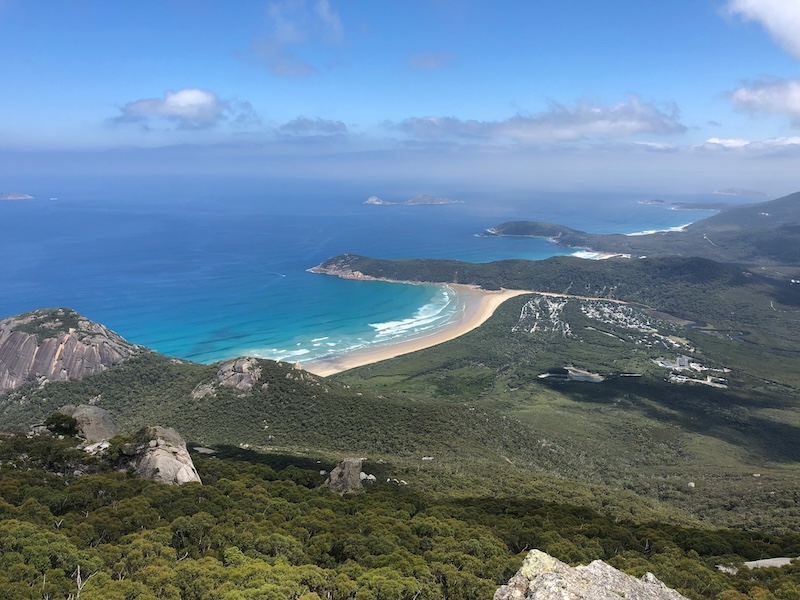
A better kind of bucket-list trip
The old Australia bucket list was about seeing as much as possible. The new one is about feeling more while doing less.
For outdoor lovers, that is good news. It means an Australian holiday can be shaped around movement, weather, wildlife, quiet mornings and the satisfaction of reaching somewhere on foot. It can still include beaches, wine, cities and wildlife encounters, but walking gives the journey a spine.
Australia is not short of famous sights. The more interesting question now is how to experience them without turning the trip into a blur. For British travellers who love the outdoors, the answer may be simple: pack lighter, plan slower and walk further into the landscape.