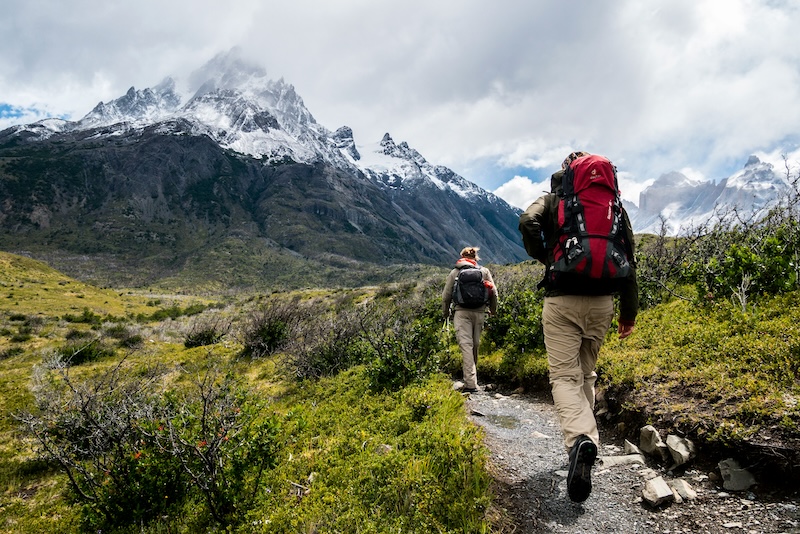
Anyone who has packed for a few days away in the hills knows this feeling: The bag is bursting, the zip is complaining and you’re still not sure you’ve brought the right things. Overpacking is easy to do, and it’s usually the heavy, bulky, just-in-case items that take the joy out of a trip. Packing light isn’t about going without, though. It’s about taking the right things and knowing why they are there.
This guide works for a weekend in Scotland, a few days walking in the Lake District or a longer trip abroad. The details change, but the principles stay the same, particularly now the clocks have gone back and daylight’s in short supply.
Split your kit into two bags
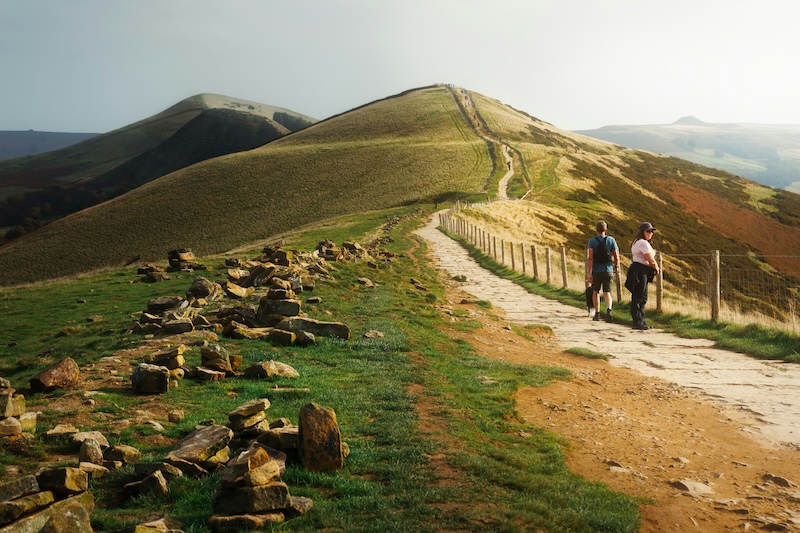
The simplest system is two bags with two jobs. A rucksack of around 25 to 30 litres holds your hill kit for the day: Waterproof jacket and trousers, a spare layer, food, map, compass, head torch, first aid kit and a flask. The second bag carries everything else, and it’s the one that stays at your accommodation while you’re out.
For that second bag, think about how you’ll be travelling. You’ll be lifting it into car boots, on to luggage racks and perhaps carrying it along a farm track. A wheeled case struggles on gravel and rough pavements, so a soft-sided holdall with a proper shoulder strap tends to work better.
Some people choose travel bags in leather for this job. They’re heavier than canvas or nylon, but they cope with being dragged and dropped, and they look perfectly respectable in a hotel foyer after a muddy day. Whatever the material, check you can carry it comfortably for at least a mile before you commit.
Start with what you’ll actually do
Before you pack a single item, write down your plans. Which days are for walking, running or cycling? Where are you sleeping? How are you getting there? Every item in the bag should have a job. If you can’t say what it’s for, leave it behind.
It also helps to check the forecast and sunset times for each day. A short winter day needs a head torch and extra warmth. A wet week needs spare socks and a way to dry boots. Let the conditions shape the list, not the other way round.
Wear your heaviest kit while travelling
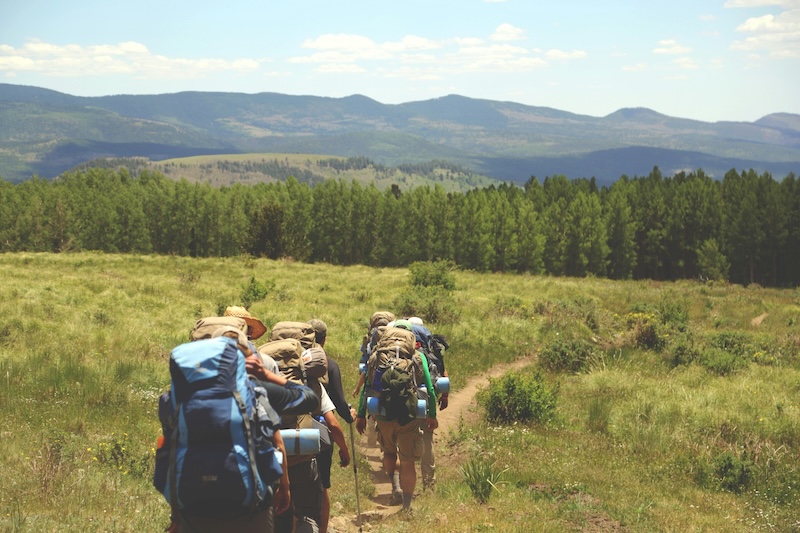
Boots are bulky and heavy, so wear them. The same goes for your warmest layer and your waterproof jacket. It frees up space in the bag and means you’re ready to start walking when you arrive. Pack a pair of lighter shoes for the evening, since walking boots in a restaurant never feel right after the first hour.
Keep the things you’ll need in transit within easy reach: Tickets, phone, a battery pack, snacks and a drink. Rummaging in the bottom of a bag while everyone waits behind you is no one’s idea of fun.
Pack for the weather you’ll actually get
Highland weather can change in an hour, and conditions elsewhere aren’t much kinder, so layers matter more than any single item. A base layer, a mid layer and a waterproof shell cover most days, with a warm hat and gloves in the rucksack all year round. Winter conditions call for more kit, including the skills to use it, so be honest about your experience before you head up.
Pack a dry set of clothes in a waterproof liner bag inside your main bag. Few things feel better than changing out of wet socks at the end of a long day. Put wet kit in a separate bag so it doesn’t soak everything else on the journey home.
Plan for daylight and getting there
Work backwards from the time you need to be off the hill. Allow more time than you think you need, especially on a route you haven’t done before. Wet ground, early dusk and tired legs all add up. A head torch with fresh batteries is essential at this time of year, and a spare is worth its weight.
If you’re relying on public transport, check the last service and remember that some rural stations are request stops. Let someone know your plans too, including where you’re finishing. Mobile signal is patchy in many glens, so don’t rely on being able to call for help or a lift.
Keep it light
Weight is the enemy on any trip you do under your own steam. Decant toiletries, take one pair of spare trousers, not three, and leave the laptop at home. If you can’t remember using something on your last trip, don’t pack it.
It’s also worth thinking about the small things that make life easier. A lightweight microfibre towel dries quickly in a shared bunkhouse. A few spare dry bags keep wet and dry kit apart. Ear plugs are a good idea if you’re sleeping in a dormitory after a day on the hill.
Don’t forget the food
Plan your meals before you set off. Hostels and rural pubs aren’t always open when you arrive, and village shops can close early, so carry something substantial for the evening you reach your base. A flask of something hot and a decent lunch matter just as much as the right jacket, and nothing ruins a good day outdoors like running out of energy a long way from home.
Finally, give yourself a buffer on the way back. Tired legs and a delayed journey are an unforgiving combination, so build in a spare hour and keep a snack in reserve. The best trips are the ones where nothing is rushed.