

Completing a marathon is one of the top goals of many runners. While it’s estimated that fewer than one per cent of the UK’s population has finished a marathon race, it’s still an achievable target for many runners, especially if you have already completed a few 10k races and a couple of half marathon distance events. Here are my tips for training for successfully running 26.2 miles to reach the finish line of a marathon.

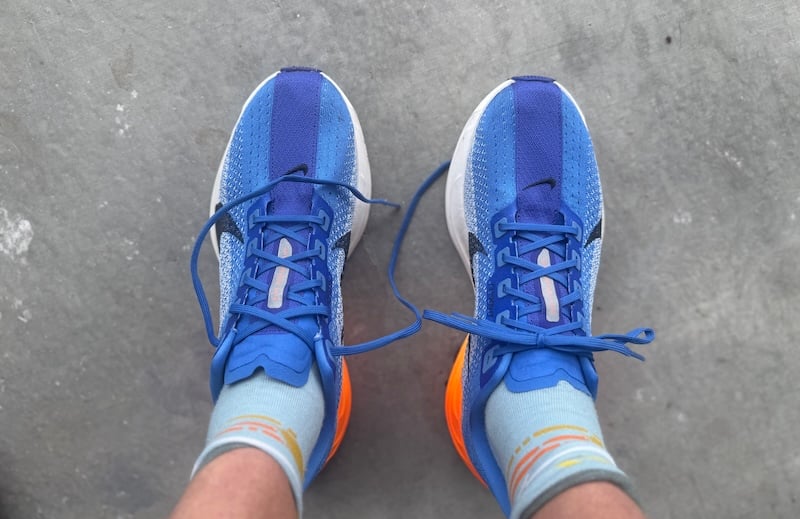
1 Pick your race wisely
If you are a fair-weather runner, it is best to enter a marathon later in the summer or early autumn. This allows you to build up your training during the warmer and more clement months of summer.
In contrast, a spring or early summer marathon requires training through the darker, duller and less weather friendly months of winter.
You might also want to consider a road or a trail marathon race. Road marathons have the advantage of being on more predictable surfaces, which can make training easier to fulfil, but trail marathons are often in more scenic and adventurous locations.
Will you go for a hilly or a flatter marathon? Again, this will be personal choice and according to your own aspirations but you should make sure the training is completed on similar terrain to the event.

2 Take your time to build up
It’s possible to build up training over 12 weeks to be able to complete a marathon, if you are already a fairly seasoned runner. Someone who can comfortably run a 10k in around an hour or a half marathon in around two to 2.5 hours, will be able to follow a 12-week marathon training programme.
If you are starting from a 5k, it is a much better idea to follow a 16-to-20-week plan.
The aim is to build the distances you run in training – or the time on your feet – over a realistic time period so that you avoid injury from doing too much, too quickly.

3 Be SMART
Underlining tip two, is to make your goals achievable. This is part of the tried-and-tested SMART acronym: Specific; Measurable; Achievable; Relevant; Time based.
You might be aiming for a specific time for your marathon, in which case more of the SMART credentials will apply but, above all, you should choose something that is achievable.
An achievable marathon is possible but it’s vital you follow a plan to build up your training.
4 The 10% rule
There are plenty of marathon training programmes available on-line, or through a dedicated coach. Many sports watches also give marathon training plans.
The aim is to train so that your body becomes familiar with running longer distances. Building up each week by no more than 10 per cent in terms of distance and effort is considered a good rule of thumb.
5 It’s more than ‘just’ running
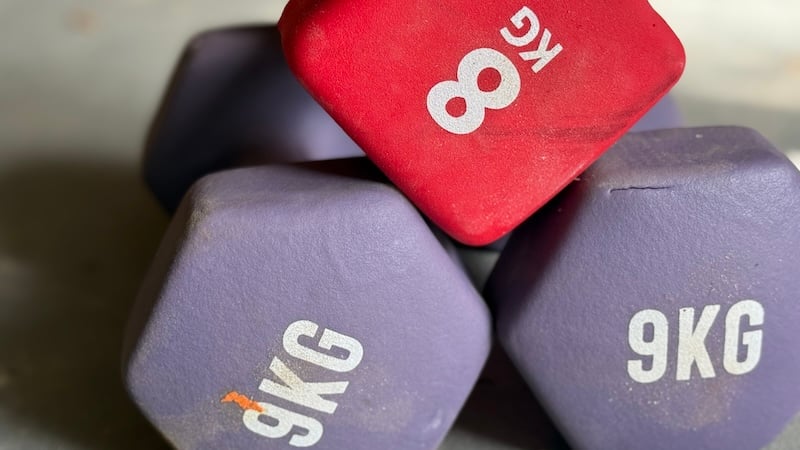
Running is obviously the main part of a marathon but this should be balanced with other important ingredients for success. Your overall performance will be improved if you add in strength training, sessions that focus on flexibility, such as yoga, and a nutritious diet.
Strength training, such as resistance training, lifting weights or attending a circuits style class, helps to promote power for a better pace of running and builds resilience in muscles and tendons. It also helps to correct muscular imbalances and strengthens stabilising muscles to prevent common overuse injuries.
Yoga helps runners by improving flexibility, building core strength and correcting muscular imbalances. It is a way to reduce the risk of common injuries, enhance recovery between harder training sessions, and can also aid the development of conscious breathing techniques that improve overall running efficiency.
A good diet fuels your running, aids the acceleration of muscle repair and can boost your immune system. A nutritious eating plan prevents early fatigue, reduces injury risks and maximises your overall endurance and performance.
6 Add in some speed work
If your aim is to run a particular time for a marathon, it is an advantage to include some faster paced training sessions, as well as “running the miles”.
Many training plans include sessions such as Fartleks, or running distances at a “tempo” pace.
7 Take the right steps: Running footwear
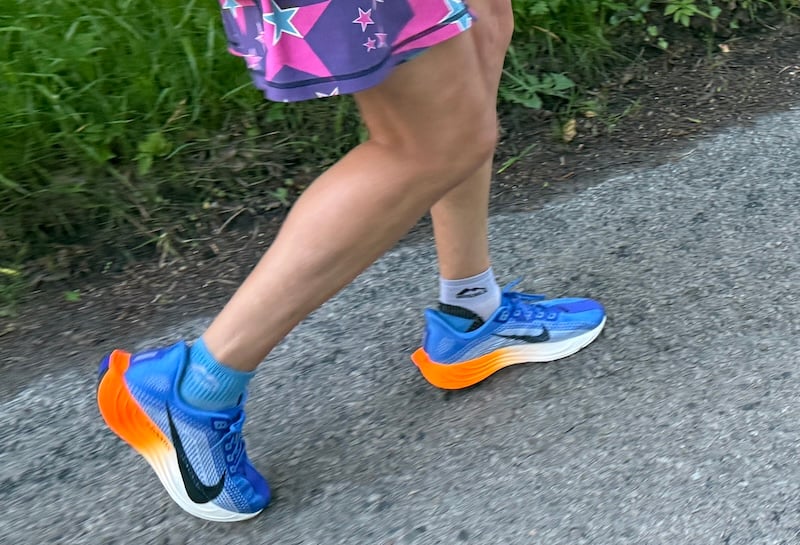
One of the most important items of kit is your footwear. Choose between road running shoes or trail running shoes, depending on where you will be training and the type of marathon you have entered.
Do you know your type of gait? Are you a neutral runner, an under or an over-pronator (this describes the way the foot lands, whether to the inside or outside)? You can see how your current footwear has worn. If the soles are evenly worn it means you are most likely to be a neutral runner, or you are wearing footwear suited perfectly to your gait.
If the outer or inner part of the sole is more worn, this will indicate if you are an under or over-pronator. The best way to get this checked is to seek the advice of a running gait expert, such as a running coach or sports podiatrist.
Sticking with the type and brand of running footwear that you already own – for example Nike Running Trainers – is always a good idea. If choosing new shoes, go for a similar fit and style to the ones you already have.
Many road running shoes are built to offer excellent cushioning for hundreds of miles of tarmac running, plus support and stability. While it’s better to choose a shoe for fit rather than looks, it’s a total bonus if the footwear that fits is also a star on the looks front.

8 Choose the right running clothing
Comfort is important when running many miles. You will want to avoid issues such as rubs and sores from ill-fitting clothing, or fabrics that do not promote the evaporation of sweat.
Choose lightweight and breathable fabrics. A running vest, such as the Relentless Racer Back Vest by Gym + Coffee or the Nike Training Dri-FIT Racerback Tank are ideal. The fabrics are soft and breathable and dry quickly when you get sweaty.
Feeling good in what you wear is also a way to feel generally boosted mentally. When you are slogging out the training miles, feeling good about what you are wearing is a real advantage.
In addition, clothing layers make for a great system for runners. You might start feeling cool and then as you warm up you’ll want to take off a layer or two.
A lightweight long-sleeved running top – I like the Under Armour Training Tech Zip Top, for example – provides a nice, lightweight layer of warmth.
If it’s raining, a waterproof running jacket, will protect you from the wet. Choose a breathable and waterproof fabric.
As a female runner, a comfortable sports bra is a must. The level of support required will depend on your chest size. I go for medium support. I really like the pink Nike Training Swoosh Medium Support Sports Bra. It goes well with my pink running vest and is very comfortable. I appreciate the light padding because it offers a better look and also stops potential nipple rubs.
What you decide to wear on your legs will be personal choice and according to the weather. I am a skort fan – I like the flattering look and the two-layer set-up with supportive base shorts and a flowing over skirt. Other runners might choose shorts or running tights.
If you are worried about inner thigh chafing, make sure you have shorts or tights that give good coverage in that area.

9 Extra kit bits and pieces
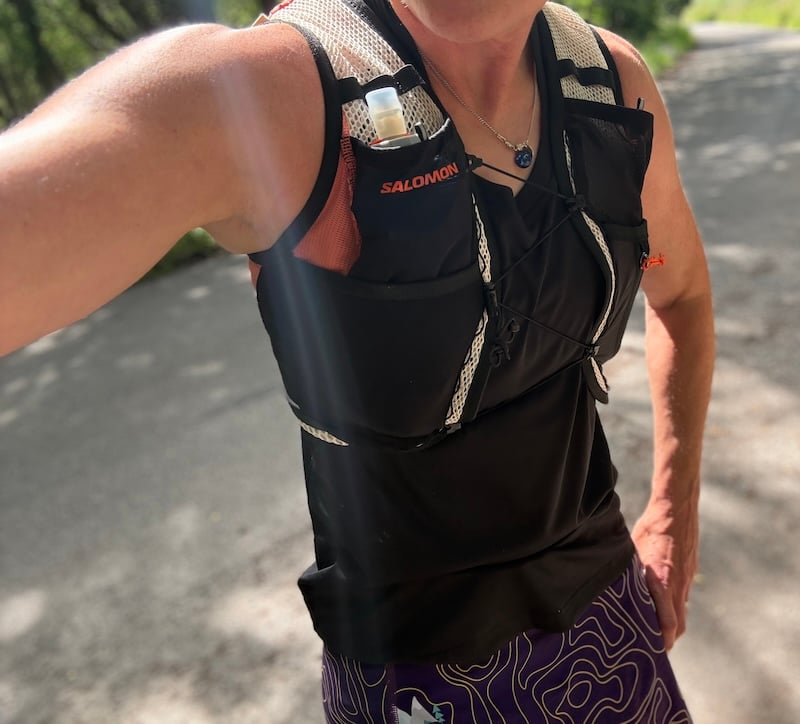
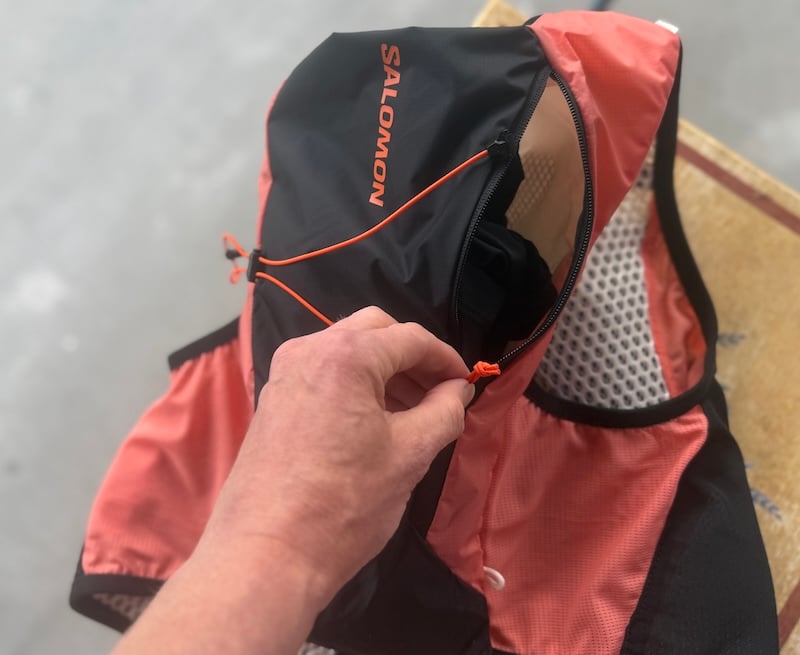
Running packs or, better still, running vests are a great added extra piece of kit. I always run with a small pack so that I have a place for spare clothing, my phone, water and snacks.
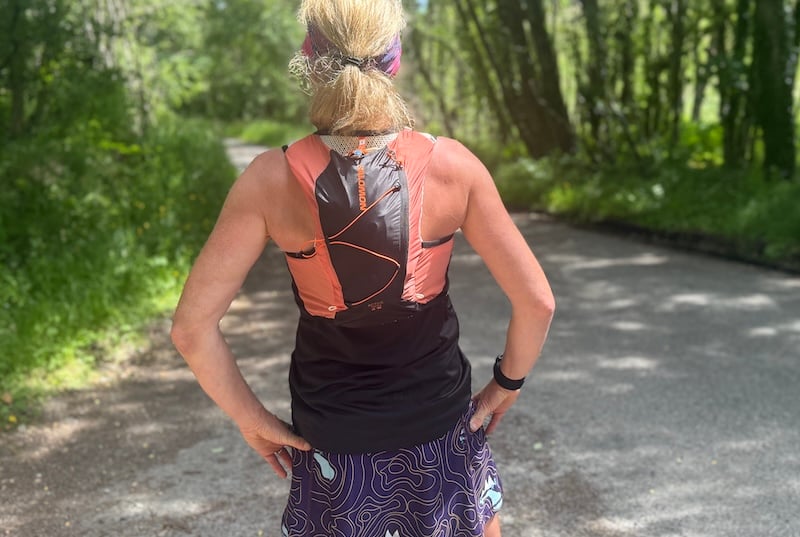
My Salomon Running Active Skin 4 Hydration Vest is the ideal size for summer training and it is designed in female and male fit.
The style of packs sit higher on the back and do not have a waist belt. They fit rather like a back hug and I find them very comfortable for running because of where they are placed on the body. They can be easily adjusted to give a great fit and they do not move about when running mile after mile.
Other useful products include sports sunglasses, a running cap and socks designed specifically for running many miles.
10 Never ‘test’ new kit in the race
Tried-and-tested is the way to go for clothing, footwear and running kit. Wearing something new for a 26.2-mile event will only lead to discomfort.
It’s the same with food, or energy gels and drinks. Make sure you have tested these products during training to be sure you body, especially your stomach, is happy with your choices.
11 How to stay motivated
Even the keenest runners can struggle with motivation for training. To stay on course, why not train for an event with a friend? Keeping regular dates for running will encourage you both to run because you won’t want to let each other down.
Vary where you run so that the miles do not become too boring.
Fundraising for charity can remind you why you are training and give you an extra incentive to keep going when it feels tough.
And, finally, think of how you will feel when you cross the finish line. Visualisation is a great way to stay on track in training.

12 Recovery is as important as the running
Your body will become fatigued if you run and run without adequate recovery. Muscles need time to rest, repair and build strength after being exerted.
This is especially true as the body ages and for women during peri and menopause. Research shows we need more recovery time to allow muscles to adapt to the endurance efforts and to allow joints, ligaments and tendons to adjust to the exertion of marathon training.
There is growing evidence that supplementing the diet with creatine and protein can help with overall long-term performance for runners.
13 Taper well
The taper part of a training programme is at the end, when you reduce the mileage and number of sessions in preparation for race day. Allowing your body to be properly rested before a long race allows you to perform at your best.
14 Enjoy the day
It’s normal to experience nerves on race day and the days before but you need to trust in your training. Think of what you have done – and not about what you have not done.
Try to get a good night’s sleep, eat a hearty breakfast (one that is tried and tested) and get to the start line in good time.
Then run and enjoy. Many marathons have a fantastic atmosphere and it’s the other runners plus the support on the sidelines that make these events so popular.
When you reach the finish line, give yourself a big cheer and think about how you will celebrate. Make sure you rehydrate with water before a beer or a glass of fizz and indulge in something tasty to eat. You will have burned a lot of calories, so you can eat whatever you fancy.

15 Enter your next race
Many runners like the focus of a race, whether it’s a 10k, half marathon, marathon or ultra distance challenge. Having a race to aim for keeps you running the miles.