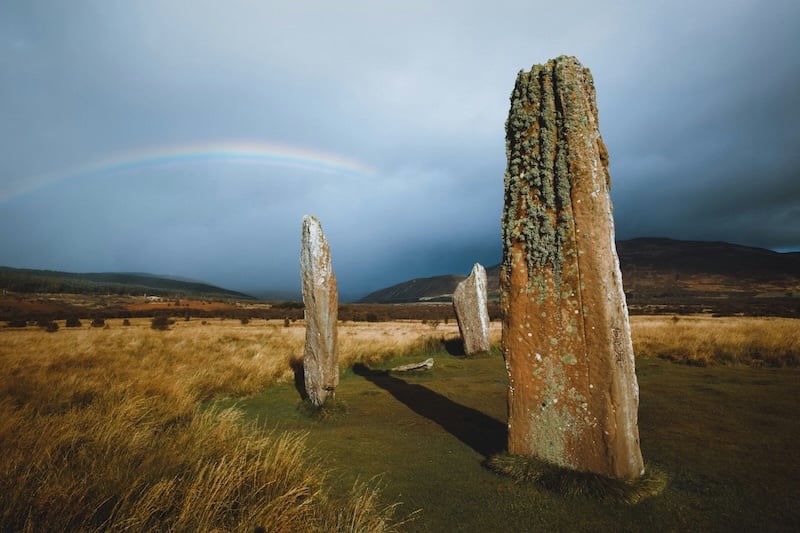
There’s a particular feeling that comes with arriving at a stone circle you’ve never visited before. For many people, the sheer age of the thing, many thousand of years in some cases, can make everything else feel briefly irrelevant, or your situation feel surreal. Some examples of such sites include Avebury in Wiltshire, Callanish on the Isle of Lewis, and the Rollright Stones on the Oxfordshire-Warwickshire border. There are also dozens of less-visited sites scattered across moorlands and farmland from Cornwall in southern England to Orkney, off the north coast of Scotland. The megalithic landscape of Britain is extraordinary in its density and variety, and it rewards those willing to go looking for it.
Why a Database Matters
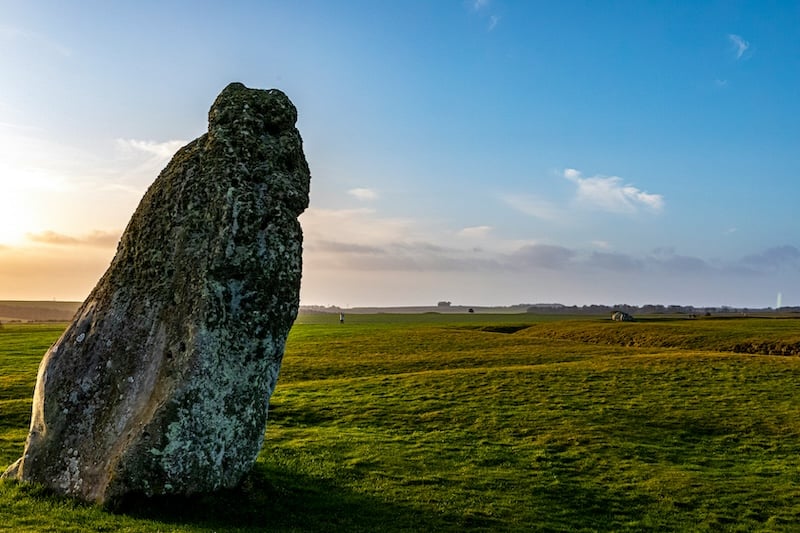
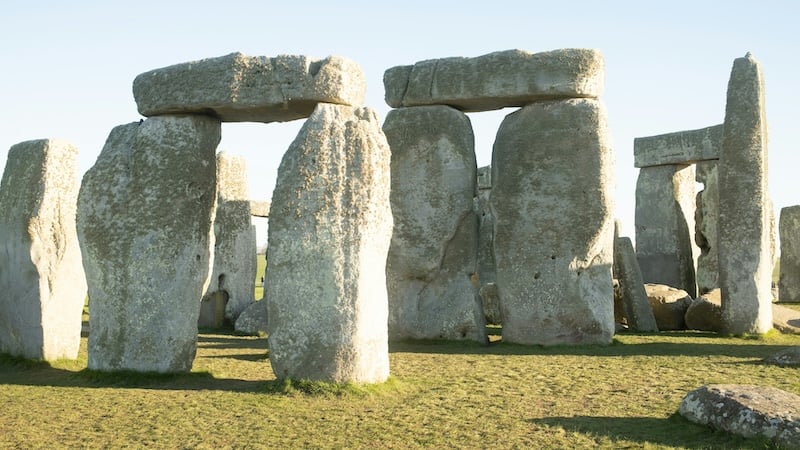
A Megalithic Portal exists partly because so many of these sites would otherwise be invisible to casual visitors. Unlike Stonehenge, which has been managed as a visitor attraction since the 20th century, the vast majority of Britain’s prehistoric monuments sit in fields, on hillsides, and in woodland with no signage, no car park and no guarantee that you’ll find them without accurate coordinates and a good sense of direction.
The database approach, aggregating site entries from researchers, walkers, archaeologists and enthusiasts, creates something that no single guidebook could replicate. A site in a Welsh valley might have a single entry, added by someone who stumbled across it while walking a ridge. That entry then becomes the thread someone else pulls on twenty years later, leading them to the same grid reference with proper preparation and a camera. This is how amateur archaeology actually functions: through accumulated observation rather than centralised authority.
The Art of Planning a Megalithic Trip
Planning visits to ancient sites is different from planning other kinds of heritage tourism. The sites don’t have opening hours. Access often depends on the goodwill of landowners, the season and, in some cases, a decent set of waterproof boots. Several of the most significant prehistoric monuments in Britain sit on private land and require advance contact or at least courteous behaviour at the gate.
A practical approach is to cluster sites geographically. Wiltshire alone could occupy a week: Avebury, Silbury Hill, the West Kennet long barrow, the Sanctuary, and dozens of lesser-known but equally compelling sites spread across the Marlborough Downs.
Cornwall similarly rewards extended visits, with the Merry Maidens stone circle, Lanyon Quoit, Men-an-Tol, and Chun Quoit all reachable within a sensible driving radius.
Scotland’s northern islands represent a different category of commitment. Getting to Orkney requires a ferry or a flight. Visiting the Ring of Brodgar and the Stones of Stenness means accepting that you’re making a journey, not dropping in. But those who make it consistently report that the experience sits apart from anything else the British Isles offers. The landscape there has a stripped quality, sea and sky and stone, that feels appropriate to monuments this ancient.
What Happens Between Sites
This is the logistical reality that planning guides rarely address. The journeys between megalithic sites, especially in remote areas, can be long. Driving across Dartmoor between stone rows, or navigating the single-track roads of the Outer Hebrides, involves significant stretches of time that aren’t themselves archaeological. You stop for food in small towns. You stay in B&Bs in places where the nearest village pub closes at nine. You have evenings with limited options.
Many dedicated site visitors fill this time productively, reading about the next day’s targets, updating site notes, or contributing observations to databases and forums.
Others unwind more casually. Online entertainment has become a quiet companion for people staying in rural accommodation, and those who prefer low-risk leisure often seek out alternative casino bonus platforms that allow them to explore without committing money upfront. It’s a reasonable way to pass an evening in a Scottish glen when the daylight has long since gone and tomorrow’s Neolithic cairn is still 12 miles up a track.
The Communities That Keep This Alive
What makes the megalithic community distinctive is its mix of professional and amateur expertise. Academic archaeologists share forum space with retired teachers who’ve spent thirty years photographing cup marks on Northumberland moorland. The resulting conversations are often more nuanced than the mainstream heritage sector gives credit for.
Site visits by enthusiasts also serve a preservation function. Regular recorded visits create photographic records that allow change over time to be tracked. Erosion, agricultural damage and, unfortunately, occasional deliberate interference can all be monitored through this kind of community observation in ways that heritage bodies with limited budgets cannot match.
The Sites Are Still Speaking
Thousands of years after their construction, these monuments remain genuinely mysterious. Scholars debate their astronomical alignments, their social functions, their relationship to the dead. The debates are unlikely to resolve cleanly. And perhaps that’s appropriate. Part of what makes standing at a stone circle so affecting is precisely that we don’t fully understand what we’re standing in.
The not-knowing is the point. It’s worth travelling a long way for that feeling.