
Scotland is globally recognised for its mountains, glens and hiking trails. While most visitors reach for their walking boots when heading into the wild, the country offers an extensive infrastructure for wheeled exploration. Recent investments by organisations such as Sustrans have significantly improved the National Cycle Network, creating thousands of miles of paved off-road trails and compacted dirt tracks.
Opting for wheels allows outdoor enthusiasts to cover far more ground in a single day than they would on foot, providing a unique physical flow and a fresh perspective on iconic landscapes. From flat seaside routes to steeper inclines, the routes have encouraged various wheeled disciplines to surge in popularity. By utilising dedicated pathways and tracks, adventurers can safely immerse themselves in the scenery without needing to navigate busy public roads.
Smooth surfaces and coastal paths
1. Gliding along traffic-free promenades
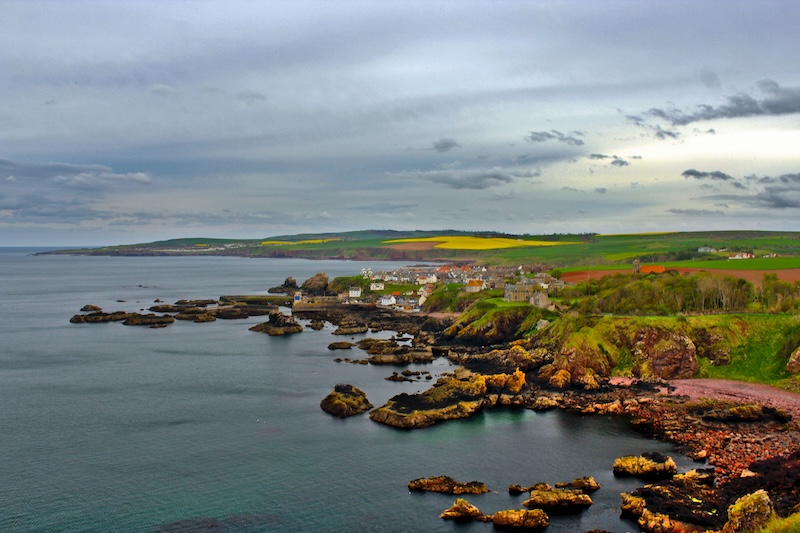
There are man miles of coastlines where flatter, more accessible surfaces are ideal for smaller wheels. Specific coastal paths, such as the Aberdeen beach promenade and the traffic-free Ayrshire Coast Cycle Way, provide miles of unbroken tarmac. This dedicated infrastructure ensures riders remain separated from motor vehicles at all times.
For those looking to swap hiking boots for a sleek deck, having the right equipment is essential for a comfortable ride along the shore. Choosing a stable longboard provides a highly efficient way to maintain momentum, as the larger wheels easily roll over small stones and minor pavement cracks. While some athletes seek specialised setups for mountain descent tracks, flat coastal cruising requires nothing more than a standard deck and a gentle breeze.
2. Roller skating the canal towpaths
The extensive Scottish canal network provides another traffic-free route for those who prefer to traverse the landscape on skates. The Union Canal stretches from the heart of Edinburgh to Falkirk, featuring a paved towpath that winds through rolling farmland and Victorian engineering marvels. Skaters can roll for hours without encountering cars or navigating complicated urban junctions. The route passes impressive sights like the grand Avon Aqueduct and leads directly to the Falkirk Wheel.
Because the waterway gradient remains flat throughout, physical effort translates cleanly into forward momentum. Wildlife is also abundant along the water’s edge, allowing observant skaters to spot kingfishers and herons while maintaining a steady pace away from the city crowds.
Deep forest tracks and off-road riding
3. Gravel cycling through the Trossachs
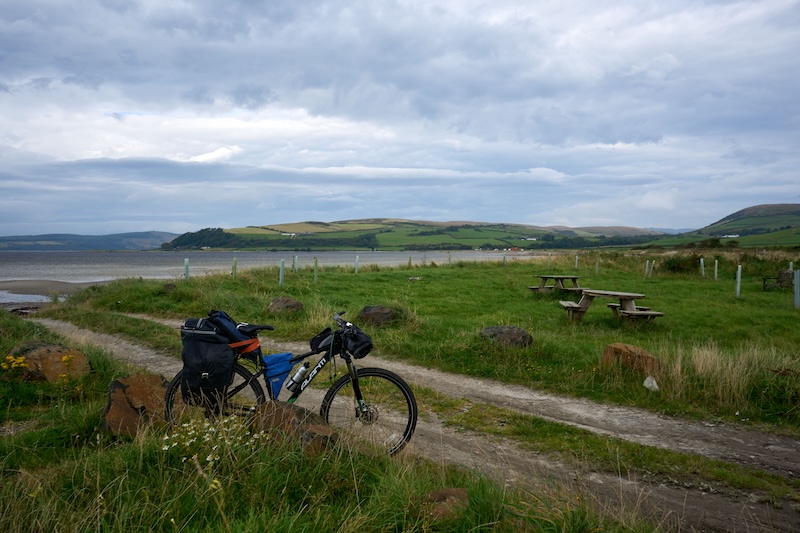
Away from the paved plains and shores, Loch Lomond and the Trossachs National Park offers a different challenge for those who prefer gravel over tarmac. The village of Aberfoyle has earned a reputation as a premier destination for gravel riding in the UK. Known fondly by locals and visitors as “Gravelfoyle,” the surrounding area boasts a vast network of wide forestry tracks that dive deep into ancient woodlands.
These paths are rugged enough to deter standard road bikes but smooth enough to allow for rapid progress compared to technical mountain bike singletrack. Exploring this region on two wheels reveals hidden lochs, dense pine canopies, and expansive vistas that walkers rarely reach in a single afternoon.
4. Mountain biking in the Tweed Valley
The Scottish Borders region is held in high regard by trail purists. The Tweed Valley features dense woodlands covering hillsides, which serve as a prestigious hub for technical riding. Purpose-built trail centres, including Glentress and Innerleithen, cater to all ability levels, from absolute beginners to professional riders.
These dedicated forestry paths drop rapidly through the trees, providing long descents and challenging features such as swooping berms and rocky drop-offs. Crucially, these designated mountain biking routes keep riders separate from walkers and equestrians, ensuring safety for everyone. The local infrastructure frequently draws international competitions while remaining welcoming to weekend visitors looking to experience the forest environment.
Electric-assisted island adventures
5. Taking an electric bike along the Hebridean Way
Covering vast distances across islands requires significant stamina, but the rise of electric bicycles has opened the Hebrides, located off Scotland’s north-west coast, to a broader range of explorers. The Hebridean Way is a continuous journey stretching nearly two hundred miles across ten distinct islands, connected by sea causeways and local ferries.
While traditional touring cyclists have tackled this route for decades, the persistent Atlantic headwinds often prove daunting for casual holidaymakers. Using an e-bike effectively counters the coastal weather. Riders can dial up the motor assistance to conquer steep climbs in northern Harris and push comfortably through fierce headwinds across the flat moorlands of Lewis. This battery-powered support leaves explorers with plenty of energy to enjoy the pristine white sand beaches at the end of the day.