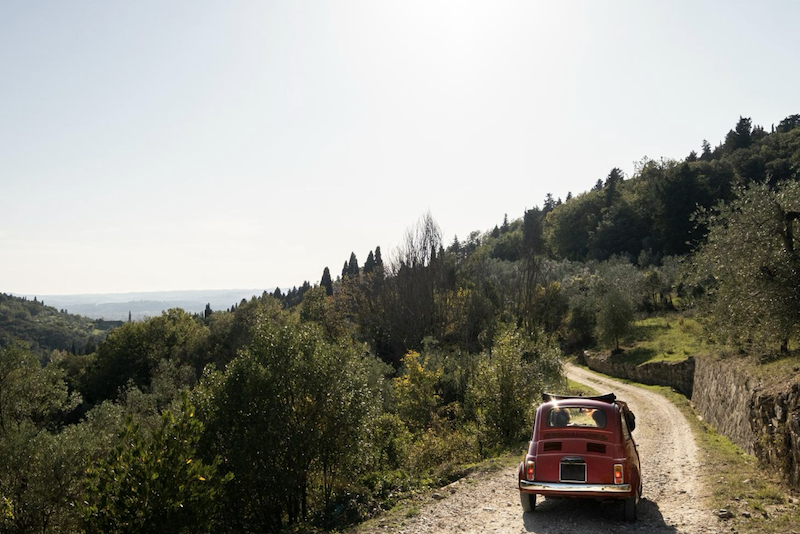
Hillwalkers prepare meticulously for the walk. Layers are considered, the forecast is checked multiple times, someone knows the escape routes and there is a head torch in the bag, whether or not anyone expects to need it. Then everyone piles into a car that has not been checked for six months and drives three hours up an A-road in the dark to a car park with no phone signal. The mismatch between how carefully hillgoers prepare for the mountain and how casually they prepare for the journey can be striking.
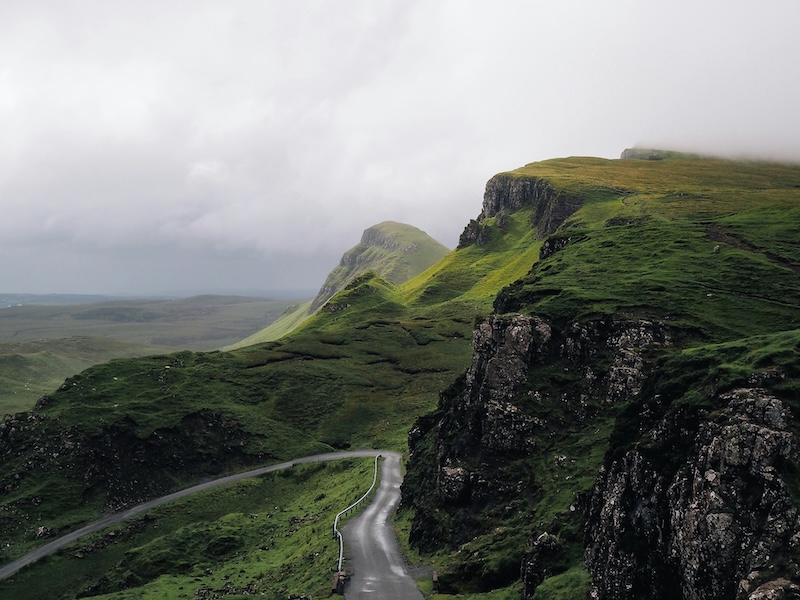
The Road Is Where the Statistics Are
This is not a comfortable thing to point out to people who love the hills, and it is true: For most walkers and climbers, the drive represents a greater risk than the day out. Long journeys, early starts, unfamiliar single-track roads, darkness at both ends of the day in winter, and the particular tiredness that follows eight hours on a hill combine into a set of conditions that would concern anyone assessing them objectively. The return leg is the dangerous one, and it is the one nobody plans.
Single-Track Roads Have Rules
Anyone heading west or north encounters single-track roads with passing places, and visitors get this wrong regularly enough to cause genuine friction with residents. Passing places are for passing and for allowing faster traffic to overtake, not for parking while somebody takes a photograph.
If the passing place is on your right, stop opposite it rather than crossing into it. Look well ahead so you can judge which vehicle should give way before either of you commits. And be aware that the local driver behind you is probably not sightseeing but getting to work, which is a reasonable argument for pulling in and letting them past.
Parking deserves the same courtesy at the other end. Blocking a passing place, a field gate or a forestry access track with a car full of walking kit is the single fastest way to sour relations between hillgoers and the communities whose roads we use, and popular trailheads in Glencoe, Torridon and the Cairngorms have all had problems with it.
What the Vehicle Actually Needs
Remote Scottish driving asks specific things of a car. Grip on wet, leaf-covered or frosted single-track roads with a drop on one side matters considerably more than it does on a dual carriageway. Ground clearance becomes relevant on rougher access tracks to some car parks. And the consequences of a failure scale with remoteness, because a puncture outside Fort William is an inconvenience and the same puncture on the road to Glen Etive on a February afternoon is something else.
Booking tyre fitting before the season rather than after a scare is the unglamorous version of the preparation hillwalkers apply to everything else, and it costs a fraction of a recovery call-out from somewhere with no mobile coverage.

Winter Changes Everything on the Approach
The roads to the hills sit at altitude and hold conditions long after the glen has cleared. The A9 over Drumochter, the Lecht, the Cairnwell and the approach to Glenshee all reach heights where the weather is genuinely different from the surrounding country, and they close. Standard summer tyres lose meaningful grip below about seven degrees regardless of tread, which in the Highlands covers a long season rather than a few weeks, and all-season or winter tyres make a real difference for anyone driving these routes regularly through the colder months.
Check the Right Forecast
Hillgoers already know to look beyond the general forecast for the mountain conditions, and the same discipline applies to the road. The Met Office issues mountain area forecasts alongside its general and warning services, and reading the warnings for the route as well as the summit forecast catches the situation that strands people, which is a hill in reasonable condition reached by a road that is not. Freezing levels, wind on exposed sections and the timing of a front arriving all bear on whether the drive home at four in the afternoon is straightforward or memorable.
Tell Someone About the Whole Day
The standard advice to leave word of your route with someone usually covers the walk and stops at the car park. Extending it to the journey costs nothing and closes an obvious gap: Where you are parking, roughly when you expect to be driving home, and which route you intend to take. If something goes wrong on a remote road rather than on the hill, that information is what makes finding you straightforward. It is also worth carrying enough in the car to sit out several hours comfortably, which for most hillwalkers means simply not unpacking the spare layers and flask from the day bag before setting off.
The Drive Home Deserves a Plan
Fatigue after a long day on a hill is qualitatively different from ordinary tiredness. Cold, exertion, dehydration and a big lunch of nothing much conspire, and the effect frequently arrives an hour into the drive rather than at the car. Eating properly before setting off, sharing driving where the group allows, and accepting that a twenty-minute stop is faster than the alternative are all obvious in the abstract and routinely ignored in practice. The hills will still be there next weekend. Getting home reliably is what makes that true. Building an extra forty minutes into the return estimate, and telling whoever is expecting you that it includes a stop, removes the quiet pressure to press on that causes most of the trouble.