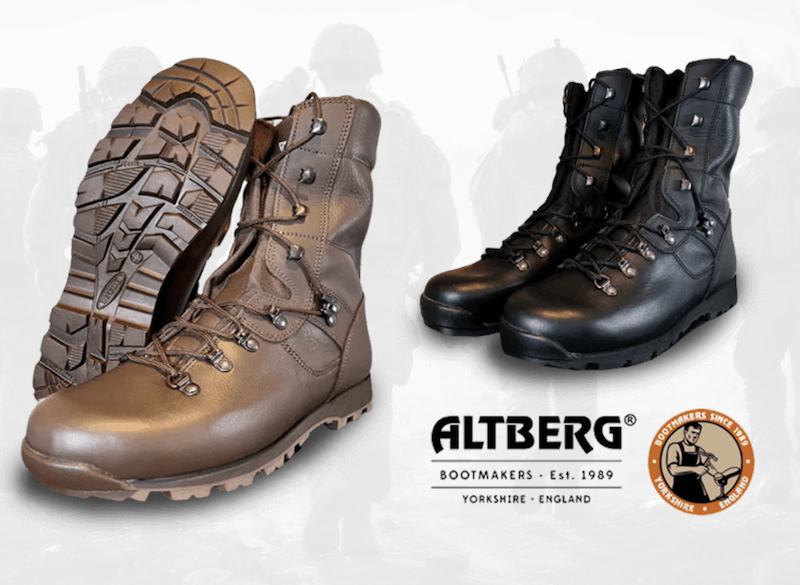
For people working in security, emergency response, law enforcement or demanding outdoor roles, footwear is not a minor detail. A long shift can involve hours of standing, walking on uneven ground, climbing stairs and responding quickly when conditions change.
The right pair of Altberg boots can help provide the support, grip and durability needed for these demanding routines. However, the best choice depends on where you work, how often you wear them and the features that matter most to your role.
Start With the Conditions You Work In
Before comparing styles, consider the environment your boots will face most often. Footwear suited to an office-based security role may differ from what is needed for regular outdoor patrols, rural work or operational duties in wet weather.
Urban and indoor settings
For mainly indoor or city-based work, comfort and a smart, practical appearance may take priority. Look for boots that offer dependable support without feeling overly heavy during long periods on hard flooring or pavements.
A sole with reliable grip remains important, particularly when moving between dry indoor spaces and wet streets or entrances.
Outdoor and uneven terrain
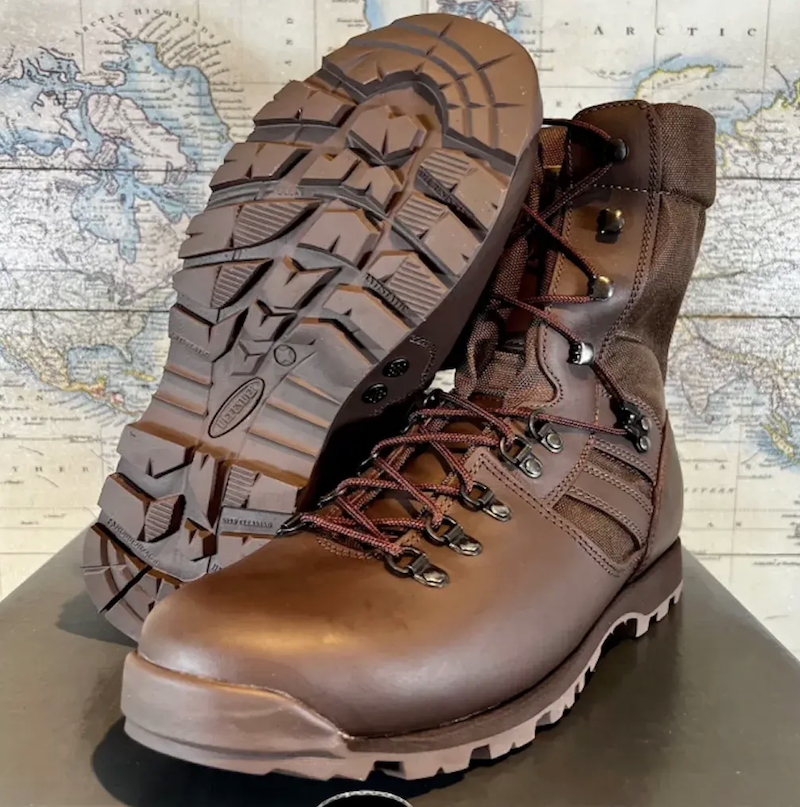
If your role regularly involves fields, woodland, building sites or uneven paths, ankle support and sole traction become even more important. A deeper tread can improve stability on loose ground, mud and wet surfaces.
Consider whether waterproofing is useful too. Keeping feet dry can make a significant difference during long shifts in changeable weather.
Focus on Fit Before Anything Else
A well-made boot can still cause discomfort if it does not fit correctly. Feet often swell slightly over the course of the day, so it is sensible to try boots on later in the afternoon where possible.
Wear the socks you would normally use for work when checking the fit. This gives a more realistic sense of whether the boot feels secure around the heel and has enough room at the toe.
Check heel support
Your heel should feel held in place without rubbing or lifting as you walk. Excess movement can lead to friction and make long shifts uncomfortable.
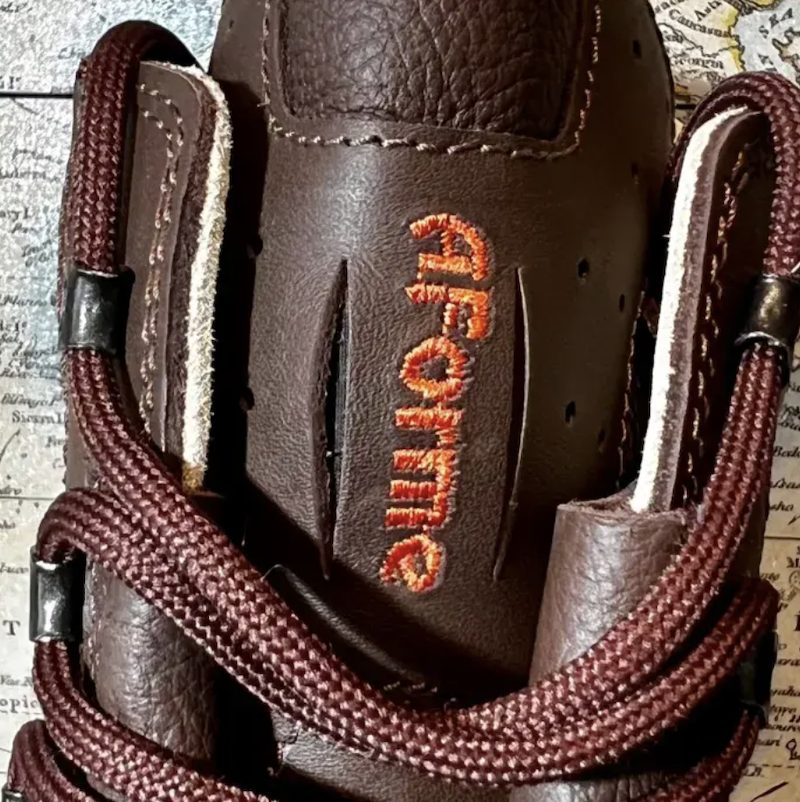
Lace the boots fully before assessing the fit. Proper lacing can improve support and help distribute pressure more evenly across the foot.
Leave room for your toes
Your toes should not press against the front of the boot when walking downhill, kneeling or bending. At the same time, a boot that is too roomy may allow your foot to slide around.
Aim for a secure fit with enough space to move your toes naturally.
Consider Weight, Protection and Flexibility
Duty boots need to provide protection, but that does not always mean choosing the heaviest option available. The right balance depends on the physical demands of your work.
Heavier boots may offer more robust construction and support for challenging terrain. Lighter designs can be useful for people who cover long distances on foot and want to reduce fatigue.
Think about the following before deciding:
- The amount of walking or standing you do during a typical shift
- Whether your role involves wet, slippery or uneven surfaces
- The level of ankle support you need
- Any workplace requirements for protective features
- Whether you need a waterproof or breathable design
Break in New Boots Gradually
Even boots that fit well may need a short break-in period. Avoid wearing a new pair for an especially long or demanding shift straight away if you can help it.
Start by wearing them around the house or for shorter walks. This allows the materials to adapt gradually and helps you identify any areas that need adjusting before relying on them at work.
Use suitable socks and make sure the laces are adjusted comfortably. If persistent rubbing or pain occurs, reassess the fit rather than assuming it will disappear with time.
Look After Your Boots Between Shifts
Regular care can extend the life of quality duty footwear. Remove mud and dirt after outdoor use, allow boots to dry naturally and avoid placing them directly against a radiator or other strong heat source.
Check the soles, laces and eyelets regularly for signs of wear. Replacing worn laces early and cleaning boots promptly can help maintain their performance and appearance.
Frequently Asked Questions
How should duty boots fit?
They should feel secure at the heel, supportive around the ankle and roomy enough for natural toe movement. Always try them with your usual work socks.
Are waterproof boots always the best option?
Not necessarily. Waterproofing can be valuable for wet outdoor conditions, while breathability may be more important for warm indoor settings or extended use in dry weather.
How long does it take to break in new boots?
This varies by material and design. Wearing them for short periods first is usually the most comfortable approach.
Should I replace boots when the sole wears down?
Yes. A worn sole can reduce grip and support. Inspect your footwear regularly, particularly if you work on wet or uneven surfaces.
Conclusion
Choosing duty boots is about matching fit, comfort and practical features to the realities of your working day. By considering your environment, checking the fit carefully and caring for your footwear properly, you can find a dependable pair that supports you through every shift.