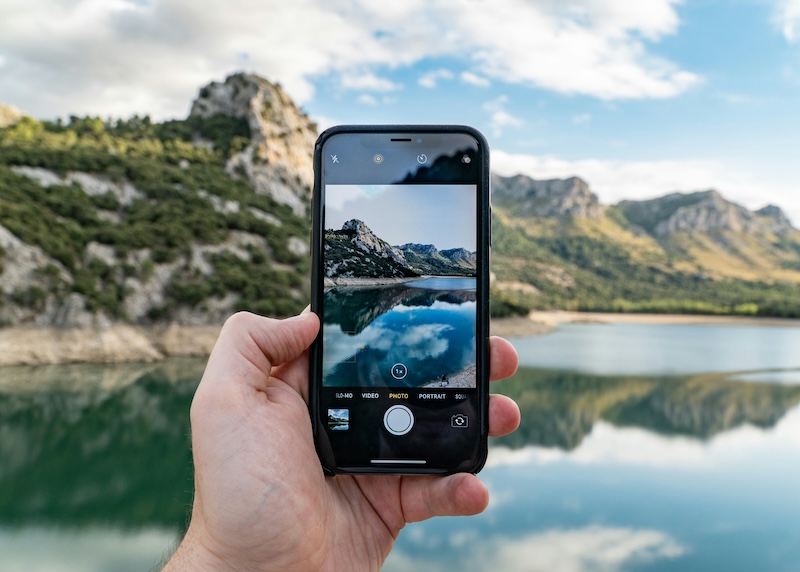
Scotland offers some remarkable opportunities for photography. From the mountains of Glencoe and the coastline of the Isle of Skye, to the peaceful lochs of the Highlands, there is always something worth capturing. However, taking memorable photographs does not necessarily require expensive cameras or specialist equipment.
Modern smartphones have made outdoor photography more accessible, allowing travellers to document their experiences wherever they go. With the right techniques, camera settings and editing applications, even a relatively simple device can produce impressive results.
So, how can you make the most of your smartphone while exploring Scotland?

The Smartphone: Our Daily Companion
Before we explore smartphone photography in more detail, it is worth considering why these devices have become such an important part of everyday life.
Smartphones are no longer used simply to make calls or send messages – they help people organise their schedules, attend meetings, manage work responsibilities, access entertainment and communicate with others.
Their influence has also changed how entire industries operate. The gaming industry provides a clear example, particularly the online casino sector. Today, users can access online slots, table games and other digital activities directly from their phones, whereas similar activities previously required visiting physical venues.
The same convenience extends to travelling. Rather than carrying several separate devices, visitors can use their phones to check directions, monitor weather conditions, research attractions and capture photographs.
For outdoor enthusiasts, this combination is especially useful. A smartphone can support an adventure from the initial planning stage through to documenting the journey afterwards.
Understanding Your Smartphone Camera
Taking better photographs begins with understanding what your phone can actually do. Many modern devices include several lenses, automatic image processing and adjustable camera settings.
However, more features do not automatically produce better pictures. Knowing when to use them matters considerably more.
Choosing the Right Camera Mode
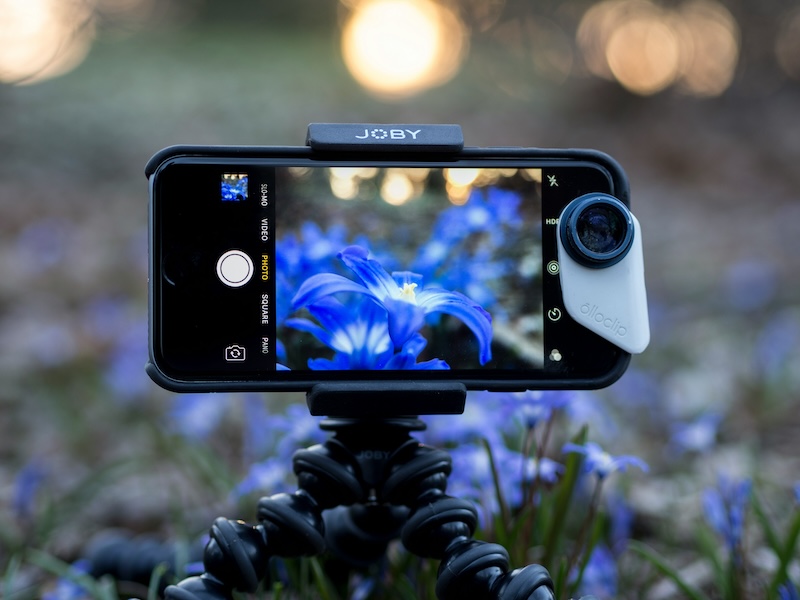
Different situations benefit from different settings:
- Portrait mode: Useful for photographing people against Scottish landscapes while keeping the background softly blurred.
- Panorama mode: Particularly effective for wide mountain views, coastal scenery and expansive glens.
- Night mode: Helps capture more detail in poorly lit environments, although keeping the device steady is essential.
- Ultra-wide camera: Suitable for photographing large buildings, narrow valleys and dramatic foregrounds.
- RAW photography: Available on certain smartphones, allowing greater flexibility when editing exposure, colour and detail.
One practical tip: Avoid excessive digital zoom. Unless the phone has a suitable telephoto lens, moving closer to the subject will usually produce a clearer image, provided it is safe to do so.
Scotland’s Most Photogenic Landscapes
Scotland has an extraordinary variety of scenery, but different locations require different photographic approaches.
Planning your shots around the surroundings can produce more interesting results.
Mountains, Lochs and Coastal Views
The Scottish Highlands provide excellent opportunities for landscape photography. Locations such as Glencoe offer dramatic mountain formations, changing cloud cover and strong contrasts between light and shadow.
Meanwhile, Loch Lomond is particularly attractive during calm mornings, when reflections can create balanced compositions.
For coastal photography, the Isle of Skye offers rugged cliffs, unusual rock formations and views across the sea.
Consider these approaches:
- Glencoe: Include a winding path or stream in the foreground to give the mountains a stronger sense of scale.
- Loch Lomond: Photograph reflections early in the morning when the water may be calmer.
- Isle of Skye: Use natural features, including rocks and cliffs, to create depth.
- Cairngorms National Park: Capture changing woodland colours, especially during autumn.
Rather than photographing every location from the most popular viewpoint, explore different angles from safe, established paths.
Small changes in position can substantially improve the composition.
How Lighting Changes Outdoor Photography
Lighting is one of the most important elements of photography, particularly in Scotland, where weather conditions can change quickly.
Interestingly, bright sunshine is not always ideal. Strong midday light can produce harsh shadows and reduce visible detail.
Making the Most of Natural Light
Early morning and late afternoon often provide softer lighting, which can improve landscape photographs.
The period shortly after sunrise and before sunset is commonly called the golden hour. During these times, sunlight can give mountains, hillsides and buildings warmer colours.
Cloudy weather offers different advantages. Soft, even light works particularly well for woodland scenes, waterfalls, and close-up photographs of plants.
When photographing a bright sky above a darker landscape, tap the screen to focus and adjust exposure if your camera allows it. Slightly reducing brightness can help preserve cloud details.
For waterfalls, experiment with your phone’s long-exposure feature, if available, while keeping the device completely still.
Useful Photography and Travel Apps
A smartphone’s camera is only part of its photographic potential. Several apps can help you plan, capture, and improve images.
Apps Worth Considering
- Adobe Lightroom: Provides detailed controls for brightness, colour, contrast and selective adjustments.
- Snapseed: Offers straightforward editing tools, including perspective correction and selective brightness adjustments.
- PhotoPills: Helps photographers plan photographs using information about sunlight, moonlight and the position of celestial objects.
- Google Maps: Useful for finding viewpoints, checking access routes and saving locations.
- OS Maps: Provides detailed mapping that can help walkers plan routes and understand the surrounding terrain.
For Scottish hillwalking, offline maps are particularly valuable because mobile reception can be unreliable in remote locations.
However, a smartphone should not be the only navigation method in challenging mountain terrain. Carrying a suitable paper map and compass, together with knowing how to use them, remains important.
Simple Techniques That Improve Every Photograph
Good photography often depends more on composition than camera specifications.
Fortunately, several basic techniques can improve images without requiring specialist knowledge.
Composition and Perspective
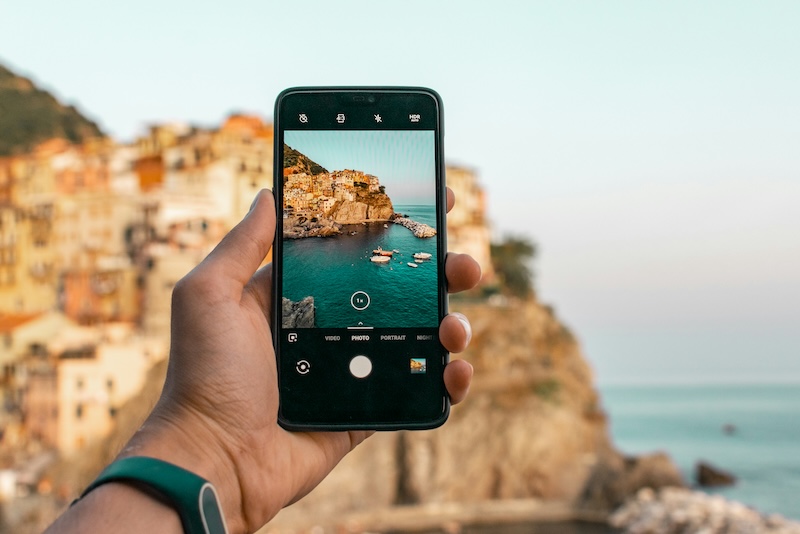
Start by enabling the camera’s grid feature. This divides the screen into sections, making it easier to position horizons and important subjects.
The rule of thirds suggests placing a subject slightly away from the centre to create a more balanced composition.
Other useful techniques include:
- Leading lines: Use paths, fences or streams to direct attention towards the main subject.
- Foreground interest: Include rocks, flowers or other natural details to provide depth.
- Changing height: Photograph from a lower position to give nearby objects greater prominence.
- Including people: A walker in the distance can demonstrate the scale of a mountain landscape.
Before taking a photograph, check the edges of the frame for distracting objects. Removing unnecessary visual details often improves the final result.
Protecting Your Phone While Exploring Scotland
Outdoor photography requires some practical preparation, especially when travelling through remote areas.
Scottish weather can expose electronic devices to rain, moisture and low temperatures.
Essential Precautions
A waterproof phone case or protective pouch is useful when hiking in wet conditions. A small microfibre cloth also helps remove water droplets from the camera lens.
Cold temperatures can reduce battery performance, so it’s sensible to carry a charged power bank. Keeping the device in an inside pocket may also help protect it from extreme cold.
Before heading outdoors:
- Charge your phone and power bank.
- Download maps for offline use.
- Check the weather forecast and available daylight.
- Ensure sufficient storage space for photographs.
Photography should never take priority over personal safety. Avoid approaching exposed cliff edges, unstable ground, or dangerous water just to get a better picture.
Photographing Scotland Responsibly
Scotland’s landscapes and wildlife deserve careful treatment.
The Scottish Outdoor Access Code encourages visitors to respect others, protect the environment, and take responsibility for their actions.
When photographing wildlife, maintain a suitable distance and avoid disturbing animals, especially during breeding seasons.
Similarly, avoid damaging vegetation or straying from established paths to reach a viewpoint.
Sharing photographs responsibly is also worthwhile. Consider withholding the exact locations of particularly sensitive habitats to avoid encouraging excessive visitor pressure.