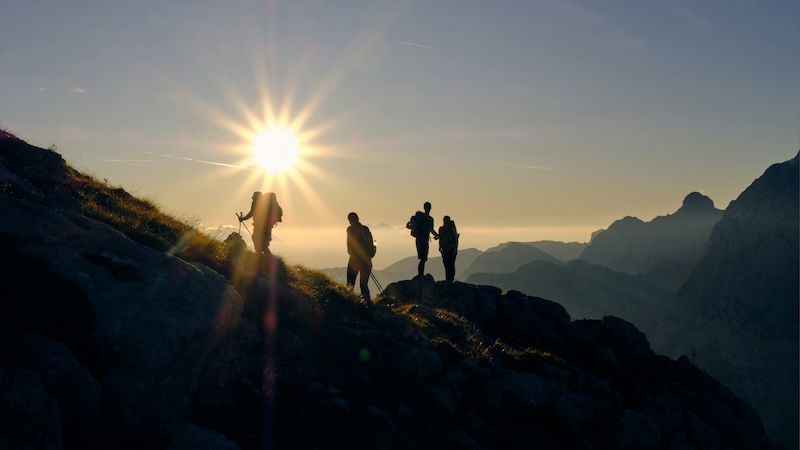
Long-distance hiking asks a lot of the body. Whether you’re tackling one big day in the hills or stringing together several days of backpacking, the demands are steady, cumulative and easy to underestimate. Unlike a casual afternoon stroll, where you can get away with a cereal bar and a bottle of water, longer routes require you to actually think about what you’re eating, and when.
Carbohydrates are the foundation of any sensible hiking nutrition strategy. They give your body quick, usable energy, which matters enormously when you’re grinding out kilometres on a loaded pack or hauling yourself up a long ascent. When stopping for a proper meal isn’t practical, bad weather closing in, no shelter in sight, something compact like sports gels can tide you over without slowing you down.
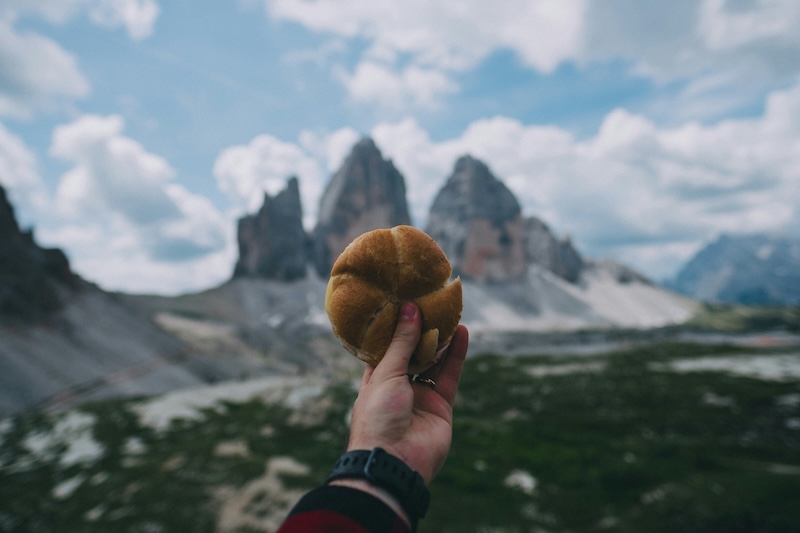
Why nutrition matters on long hikes
Your muscles and liver store energy as glycogen, and that’s what your body leans on when you’re hiking at a decent pace, particularly uphill or with weight on your back. The trouble is, those stores aren’t bottomless. After several hours of continuous movement, they start to run low.
When that happens, your body shifts to burning fat for fuel instead. Fat metabolism works, but it’s slower and less efficient, and you’ll feel the difference. Heavy legs, sluggish thinking, a general sense that the hill is winning. It’s not just physical either; low energy genuinely affects concentration and decision-making, which matters when you’re navigating tricky ground or the weather turns nasty.
The answer is straightforward: Don’t wait until you’re flagging. Eat regularly and keep those energy levels ticking along, and your body will thank you for it.
Understanding energy demands in hiking
Not all hiking is equal in terms of what it costs you. Ambling along a flat towpath is one thing, while picking your way up a rocky ridge with a 15kg pack is quite another. Elevation gain, rough terrain, and the effort required just to stay balanced all burn through energy faster than many walkers expect.
Even seasoned hikers can get caught out by this. You feel fine, the pace is comfortable, and then suddenly you’re not fine at all. The better approach is to think about fuelling in relation to what the day actually involves, rather than simply how long you’ll be out. A short but intense hill day can demand more than a long, gentle ramble.
What to eat before a long hike
Good nutrition starts the evening before, or at least before you lace your boots up. A solid pre-hike meal should be carbohydrate-led, porridge, toast, rice, pasta, with some protein alongside and not too much fat, which can sit heavily and slow digestion down.
Timing matters. Eating two to three hours before you set off gives your body a decent chance to process the food and convert it into usable energy. If you’re making an early start and a full breakfast isn’t realistic, something lighter, a banana, some oatcakes, a small bowl of cereal, is far better than nothing.
Don’t forget to hydrate before you head out, either. It’s easy to arrive at the start of a hike already mildly dehydrated, especially if you’ve had a strong coffee and not much water, and that deficit will catch up with you.
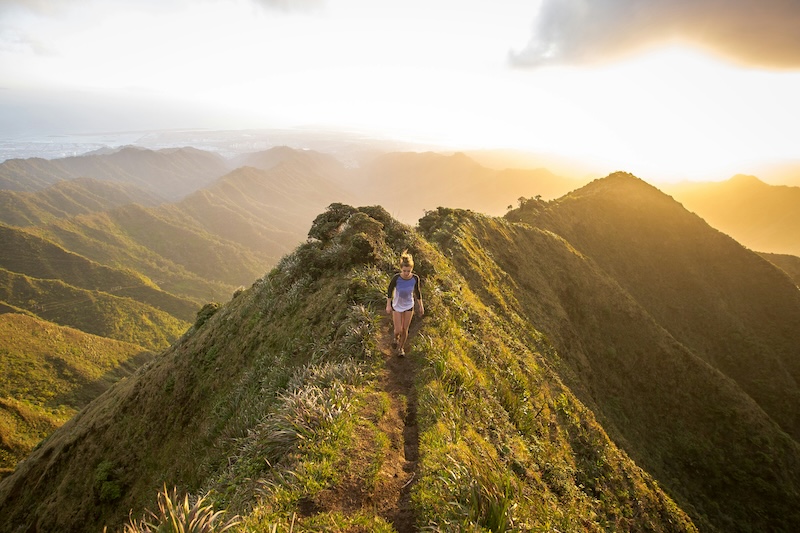
Fuel strategies during long hikes
Once you’re moving, the goal is to keep your energy supply steady rather than letting it spike and crash. Large meals taken infrequently tend not to work well on the trail; your digestion has to compete with your muscles for blood flow, and neither is particularly happy about it.
Small amounts, eaten often, work much better. Something every 30 to 45 minutes keeps blood glucose stable and means you’re rarely running low enough to feel it. The practical challenge is finding foods that travel well, don’t need preparation, and are easy to eat on the move. Dried fruit, flapjacks, energy bars, nuts mixed with something sweet all have their place, and most experienced walkers develop a personal selection they know suits them.
Hydration and electrolyte balance
Water is obvious, but electrolytes are something a lot of hillwalkers overlook. When you sweat, you lose sodium, potassium and magnesium alongside fluids, and if you’re only replacing the water, you can end up with an imbalance that causes cramp, fatigue, or headaches.
This matters more on warm days or at altitude, but it’s worth factoring in on any long day out. Electrolyte tablets or powders added to water are a lightweight solution, and many hikers find they make a noticeable difference on longer efforts. As for how much to drink, little and often beats gulping a litre at rest stops, consistent sipping keeps you better hydrated overall.
Common nutrition mistakes on the trail
Underestimating how much you need to eat is probably the most common error. People pack for a shorter day or leave the extra snacks in the car to save weight, then find themselves bonking on a long descent with nothing left in reserve.
Trying unfamiliar foods mid-hike is another one to avoid. Your digestive system under physical stress doesn’t always react well to new products, and finding that out halfway up a mountain is poor timing. Test things on shorter days before committing to them on a big route.
Finally, some walkers rely too heavily on sit-down meals, lunch at the summit, that kind of structure, without snacking consistently in between. Meals matter, but they can’t compensate for hours of depletion on their own.
Building a practical hiking nutrition plan
You don’t need anything elaborate. A good plan just needs to cover the basics reliably:
- A carbohydrate-rich meal before you set off.
- Small snacks every 30 to 60 minutes while you’re moving.
- A mix of energy sources to suit different moments on the trail.
- Steady hydration throughout.
- Foods you’ve already eaten before and know you can handle.
The simpler it is, the more likely you are to actually follow it when you’re tired and the weather’s grim.
Conclusion:
Getting nutrition right on long hikes isn’t complicated, but it does require a bit of thought. Eat before you’re hungry, drink before you’re thirsty, and keep things moving in small, regular amounts. Do that consistently, and you’ll cover more ground with less suffering, which is, ultimately, the point.