
A camping trip in the UK can mean anything from a weekend in the Lake District to a coastal escape in Cornwall, or a road trip through the Scottish Highlands. The right vehicle will make the difference between a cramped, stressful journey and a comfortable adventure with everything packed neatly and securely. So, it’s important to think carefully about what you’re going to be driving for your trip. Here are some options to consider:
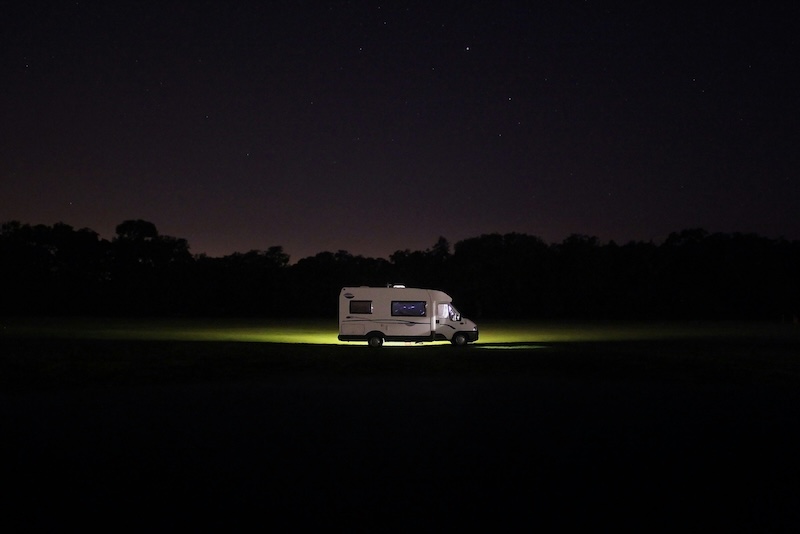
Vans and estate cars: maximum storage space
Vans can be fantastic if you need to transport bulky camping equipment. Large tents, folding tables, chairs, bikes, paddleboards and cooking gear can quickly fill a car, but a van offers plenty of load space.
Smaller vans are still easy to drive, while larger panel vans suit serious outdoor enthusiasts. If you’d rather drive something with a bit more passenger space, an estate car will give you plenty of boot space without sacrificing any seating.
You could even treat yourself and lease a snazzy high-tech option, with new features like sliding seats to adjust the amount of boot space, and innovative storage options. If this appeals but you’re not sure whether or not your credit score will allow it, don’t worry! There are options that let you lease a new car with bad credit.
Vans and estate cars are also useful for activity-based trips, such as cycling holidays, climbing weekends or watersports breaks. The downside is that they may have fewer seats and fewer comfort features than cars. Always check insurance conditions, mileage limits and whether the van is permitted at your chosen campsite.
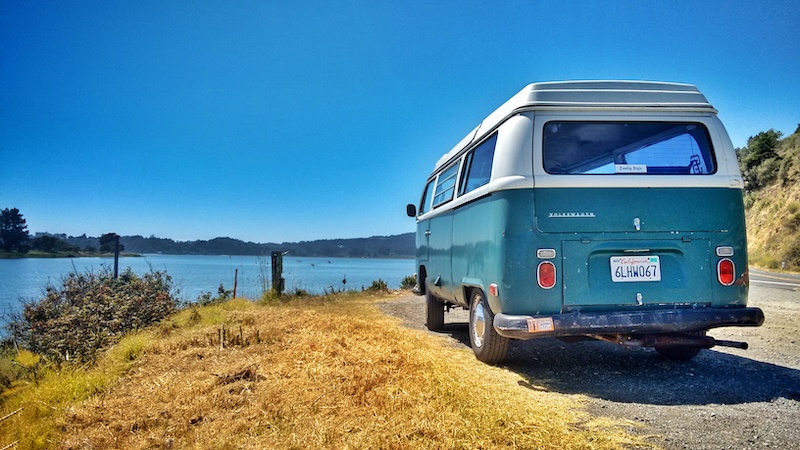
Campervans: the classic choice
For many people, a campervan is the ideal camping vehicle. It combines transport and accommodation, meaning you can travel light and avoid pitching a tent in bad weather. Most campervans include sleeping space, a small kitchen area, storage and sometimes a pop-top roof for extra headroom.
Campervans are particularly well suited to couples, small families or first-time campers who want comfort without hiring a large motorhome. They are easier to drive on narrow country lanes and fit into many standard parking spaces. This makes them practical for UK destinations where roads can be winding, steep or busy in summer.
Motorhomes: best for comfort
If comfort is your top priority, a motorhome is hard to beat. Larger than a campervan, a motorhome often includes fixed beds, a proper dining area, a toilet, a shower and more generous storage. This is ideal for longer trips or for families who need extra space.
Motorhomes work especially well if you plan to stay at campsites with electric hook-ups and proper facilities. They are popular for touring Scotland, Wales and rural England, where having your own kitchen and bathroom can be very convenient. However, they can be more expensive to rent and may be harder to manoeuvre in small villages or tight car parks.
SUVs: useful for rural escapes
An SUV can be a strong choice for camping in more remote areas. Higher ground clearance, robust tyres and optional four-wheel drive can help on muddy tracks, gravel roads and uneven campsite entrances. This is useful if you are visiting rural Wales, the Peak District or parts of the Highlands.
SUVs also provide a comfortable ride and plenty of passenger space. They are ideal for families who want a balance of practicality, comfort and confidence on country roads. However, boot space varies between models, so check capacity carefully before booking. Some SUVs look large from the outside but may not hold as much luggage as an estate car or van.
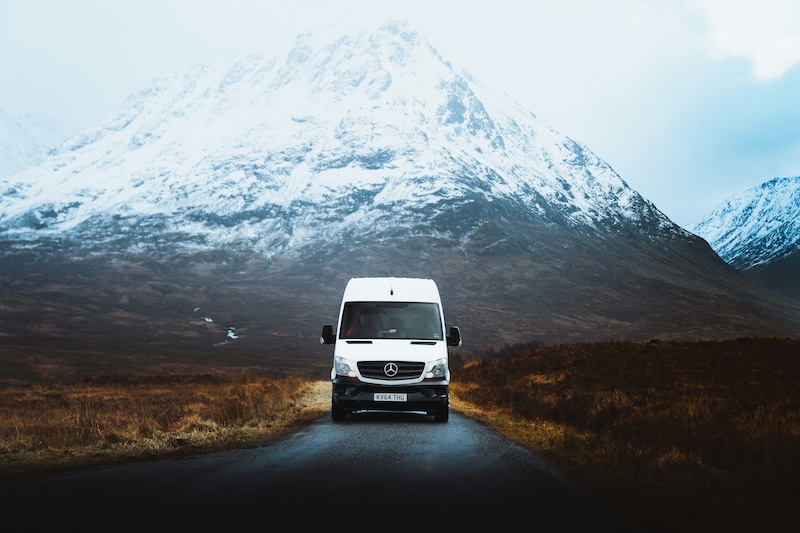
People carriers: great for groups
For larger families or groups of friends, a people carrier can be a smart rental choice. These vehicles usually seat six or seven people and still offer flexible storage, especially if some rear seats can be folded down. They are comfortable on long motorway journeys and practical for shared camping trips.
People carriers are best when everyone is staying in tents rather than sleeping in the vehicle. They allow the group to travel together, which can reduce fuel costs and make planning easier. For festivals, family campsites or group holidays, they are often more convenient than taking several smaller cars.
Choosing the right vehicle
The best vehicle depends on the type of camping trip you want. Choose a campervan or motorhome for convenience and comfort, an estate car for value, an SUV for rural access, a people carrier for groups, or a van for maximum gear space.
Before booking, compare fuel costs, parking, campsite rules and luggage capacity. With the right vehicle, a UK camping trip becomes easier, more comfortable and far more enjoyable.