
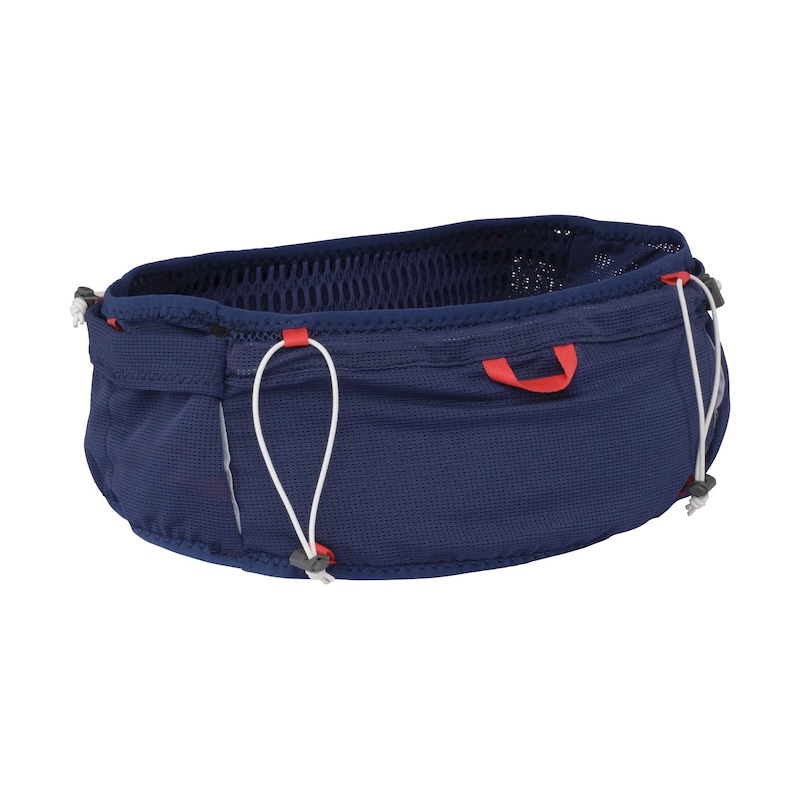
My guest reviewer Seth G has been testing the Camelbak Ultra™ Belt 2.5L with 17oz Quick Stow™ Flask. He writes: In 2019, I reviewed the original CamelBak Ultra Belt and called it my ideal choice for summer training runs up to 1.5 hours in the mountains. Seven years later, CamelBak has updated the belt. It keeps everything I loved about the original, while highlighting some aspects to keep its place as a great option for training and racing.
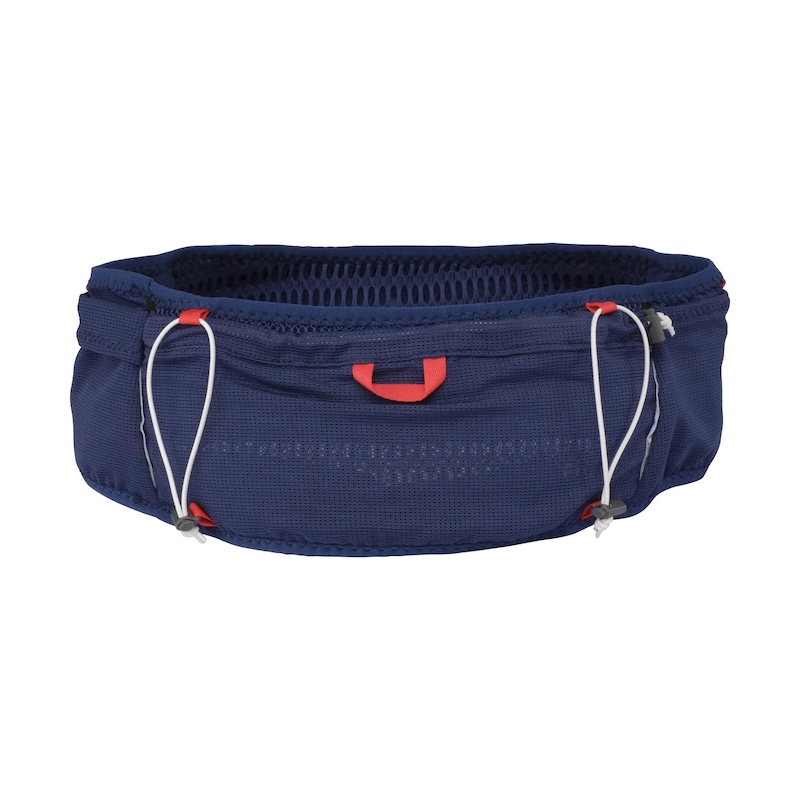
Features include:
- Dimensions: 4.7 x 13.4 x 2.4 in (12 x 34 x 6 cm)
- Weight: 82g (3 oz)
- Hydration: 17oz (500ml) collapsible Quick Stow flask
- Total Capacity: 2.5L storage
- Waist Fit Range: XS/S (26–30″), S/M (28–32″), M/L (30–35″)
- Material: 3D Micro Mesh with ultra-light recycled fabrics
- Retain price: £ 44.99 – £ 50.00
See Amazon for deals.
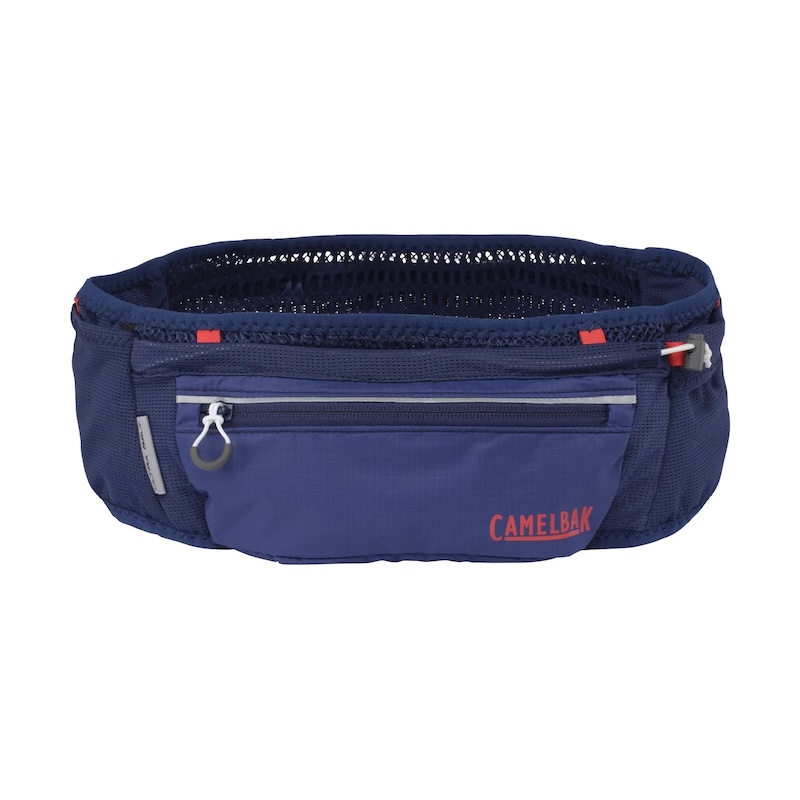
Pros: What’s good about the Camelbak Ultra Belt?
Ultralight & Minimal Bounce: At just 82g (slightly heavier than the previous belt), the new belt still feels light and comfortable. It stays secure with almost no bounce, even on technical descents. It’s still the perfect solution when I want hydration and storage without the heat and weight of a full vest or pack.
Storage & Organisation: The zipped phone pocket easily fits my larger modern phone plus a few gels or chews. The stretch pockets and dividers keep keys, cards, and sticky wrappers separated.
Quick Stow Flask Improvements: The 17oz flask remains collapsible and packable, but the new version feels easier to clean and more durable. The wide mouth still makes filling and mixing drinks simple, and the one-piece silicone bite valve delivers reliable flow. I can stash the empty flask away and keep running light — a feature I still love for longer runs.
Versatility: Trekking pole carry (personally I use these fasteners for my rain shell), reflectivity, and the ability to stuff the entire belt into a travel bag are all still here. It’s perfect for summer mountain runs, race training, or grabbing a quick session while traveling. I can run hands-free on technical sections, which is a big win over handhelds.
Comfort in Warm Weather: The 3D Micro Mesh backer provides excellent breathability. On hot runs, this belt keeps friction and overheating to a minimum — exactly why I reached for the original.
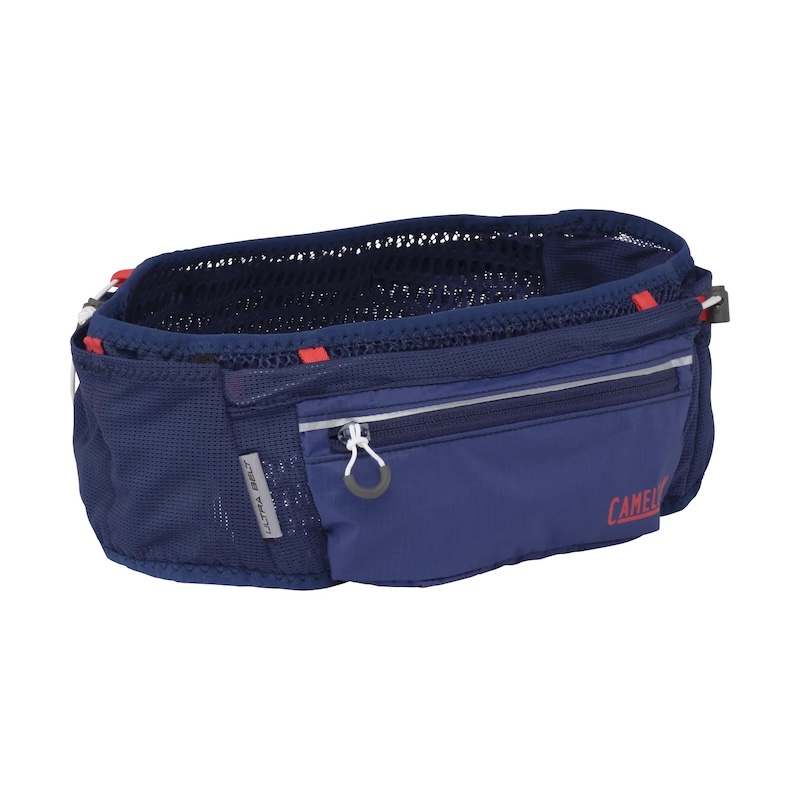
Cons: What’s not so good about the Camelbak Ultra Belt?
When fully loaded with a full flask plus gear, it can still feel noticeable at the very start of a run (same as the old model). I drink steadily, so it lightens quickly, but heavier runners or those who prefer starting light should keep the 17oz capacity in mind.
Sizing remains important – try to get the right fit (or order two sizes if possible) because the adjustment range, while improved, works best when you’re close to the ideal waist measurement.
Should you buy a new one? I would purchase this one as soon as my older one wears out. The differences between my 2019 and 2026 belts are not great enough to warrant a new belt, but make purchasing a new one an easy decision since I know what I am getting.
Conclusion: The updated CamelBak Ultra Belt 2.5L remains my go-to for runs up to 1.5 hours when I want minimal weight, solid hydration, and enough storage without a full vest. If you value hands-free running, low bounce, and simplicity on hot or technical trails, this is still an excellent choice.
Seth received this belt free of charge in exchange for an honest review. He writes about family adventures and the gear that keeps them going at www.sethgrotzke.com.