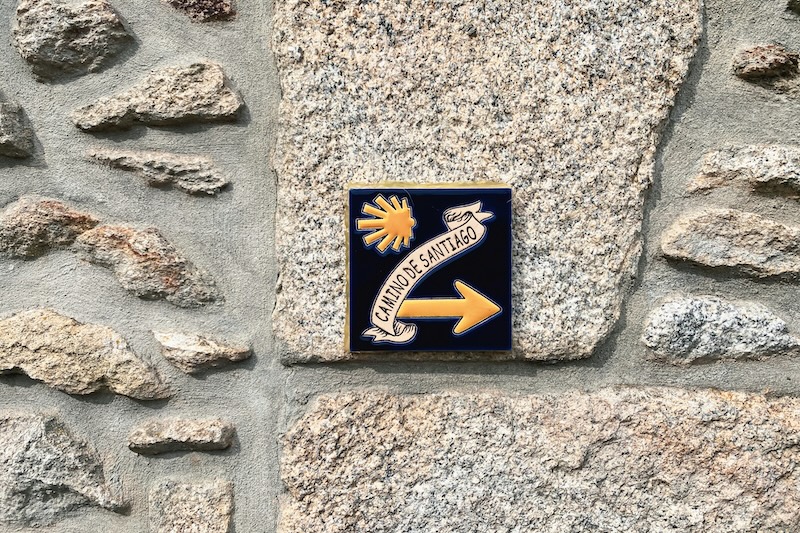
Scotland raises good hillwalkers. Many are keen baggers of Munros, Corbetts and other lists, as well as some great long-distance hiking trail. So it’s no shock that a growing number of Scots are pointing their boots at northern Spain instead (the cooler, wetter part that just so happens to have Celtic roots).
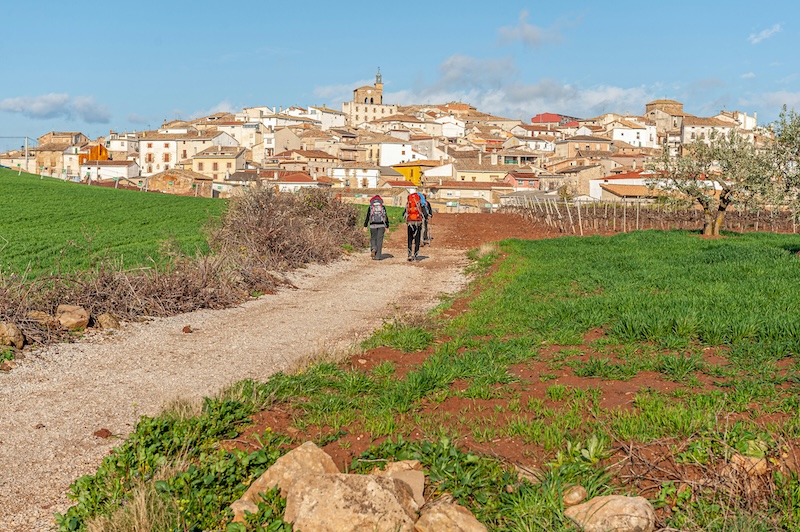
The route with a growing Scottish following
British numbers on the Camino de Santiago aren’t small anymore. The UK more broadly sent 14,643 pilgrims to Santiago in 2025 (up 12%). That was a record year, too, where the whole world wanted a slice of the action.
Scots have been up for the challenge and it shows on social media, with floods of celebratory posts each summer. Plenty are drawn to the Camino Inglés as well (the “English Way”), which historically was walked by pilgrims who arrived by ship and set off on foot from Ferrol.
It carries a ring of ancestry for anyone from the British Isles, Scotland included, and let’s not forget, Galicia has Celtic culture. You might even hear the bagpipes, though they’re called gaita in this neck of the woods. Folklore and spiritual life are actually pre-Christian in a lot of Galicia, which is direct bond to Scottish Celtic culture, as well as a genuine revival of this culture.

Why the pull is different from Munro bagging
Bagging a summit is often a mission against gradient, terrain and weather. Fun, but the Camino is actually something else entirely. It’s slower, social, far more reflective. NatureScot’s most recent People and Nature Survey found that 84% of outdoor visits in Scotland are motivated by wellbeing or exercise rather than achievement alone.
The Camino leans hard into that instinct, as there isn’t a physical summit to conquer besides the goal of the cathedral –just miles and conversation. Plus, some stamp collecting at the end of each day. Many walkers just want that experience without planning every stage, which is where Camino de Santiago hiking tours are popular as they do the logistics for you.
This tends to be where the Camino wins over stubborn hillwalkers who’d normally scoff at anything resembling a package holiday. Self-guided doesn’t mean guided by someone else. It’s just that your bag moves ahead of you (yes, they put it in a van and take it to your next stay), your beds are booked, and your route notes are sorted. But most important is that you walk it alone, at your own pace, without a guide breathing down your neck. Santiago Ways provides packages to keep the cost simple.

What first-timers should know
Sarria is the classic starting point with over 32% of pilgrims starting there. Why? Because it’s the shortest stretch that still qualifies for a Compostela certificate. September has now overtaken August as the busiest month on the whole route because it’s a little cooler, but you want to push it to late spring or early autumn if you can, for the most comfortable weather and fewest crowds.
Gear-wise, you’re likely in more danger of being over-prepared than under-prepared when coming from Scotland. Rainproof items should be thin, boots matter as always, and just make sure you have data and battery. That way, you can contact the agency support if needed.
Scots already know how to walk long distances in questionable weather, often for no better reason than the view. The Camino just adds sunshine, wine, and a few hundred kilometres of company along the way.