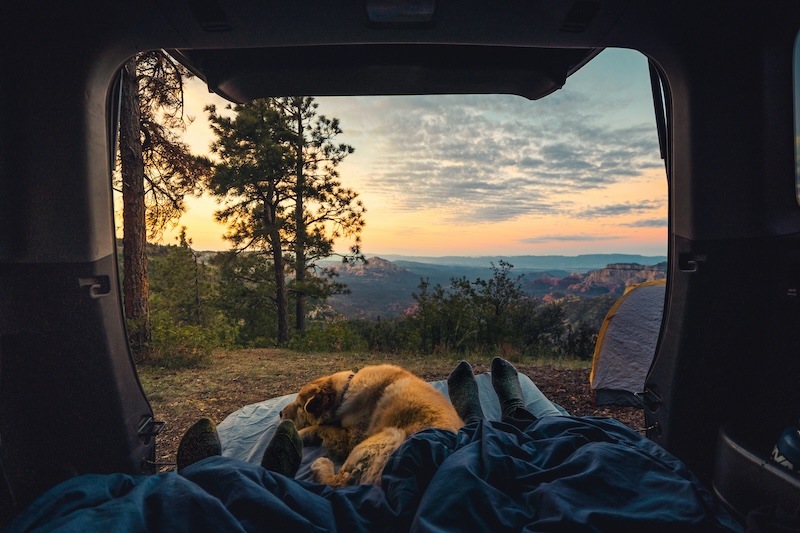
A good camping car does not need to look like an expedition vehicle. For most UK trips, space, comfort and sensible running costs matter more than huge tyres or serious off-road equipment. You need enough room for tents, chairs, cooking gear and muddy boots without making every motorway journey expensive.
The Quick Answer
The Dacia Jogger is my best all-round choice for affordable family camping. It offers seven seats and up to 2,085 litres of load space, although this falls to 212 litres with every seat in use.
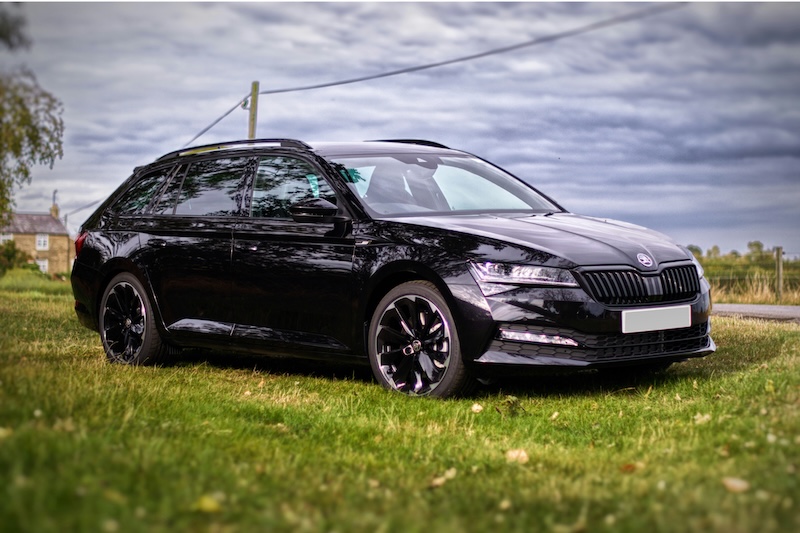
For couples, I prefer the Škoda Superb Estate, with up to 1,920 litres behind the front seats. Used examples can offer good value, whether you search local dealers or browse financed cars through Carplus.co.uk, although the total repayment matters more than a low monthly figure.
For couples, I prefer the Škoda Superb Estate, which offers up to 1,920 litres with the rear seats folded. The Škoda Kodiaq suits larger families and caravan owners, while the Dacia Duster is a more affordable option for rural campsites, wet grass and rough tracks.
What Makes a Good Camping Car?
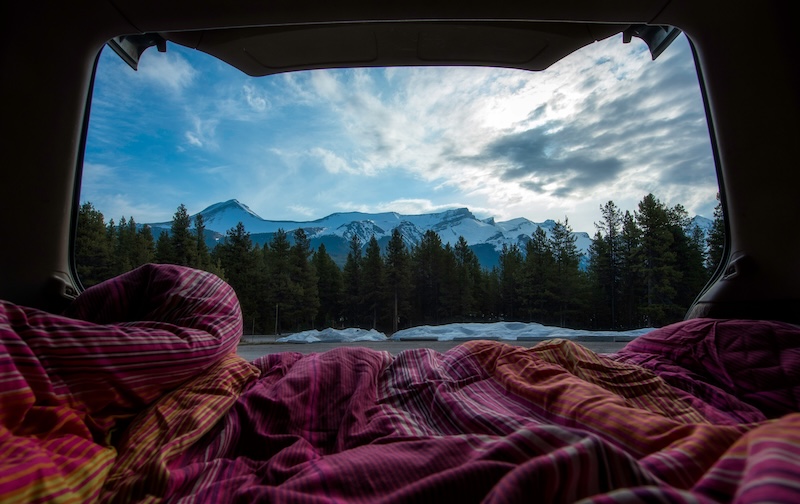
A good camping car needs usable space rather than an impressive figure on a brochure. I pay more attention to the shape of the boot, the height of its opening and how flat the rear seats fold. A square luggage area is usually easier to pack than a larger boot with a sloping roof and bulky wheel arches.
Passenger space matters just as much. A car might hold a large tent, but that advantage quickly disappears if rear passengers spend three hours with sleeping bags piled around them. Small storage areas are useful too, especially for torches, charging cables, snacks and the collection of wet items that seems to appear on every British camping trip.
It’s important to look for a comfortable driving position and reasonable fuel economy. Camping often involves a long motorway journey followed by narrow country roads, so the best option should feel settled at speed without becoming awkward near the campsite. Four-wheel drive can help on wet grass and rough ground, although most campers will manage perfectly well with a normal front-wheel-drive car and suitable tyres.
Best Camping Cars at a Glance
These are the four models to consider first. Boot figures are maximum manufacturer capacities and may use different seating arrangements, so they are helpful for comparison rather than a promise that every version offers identical space.
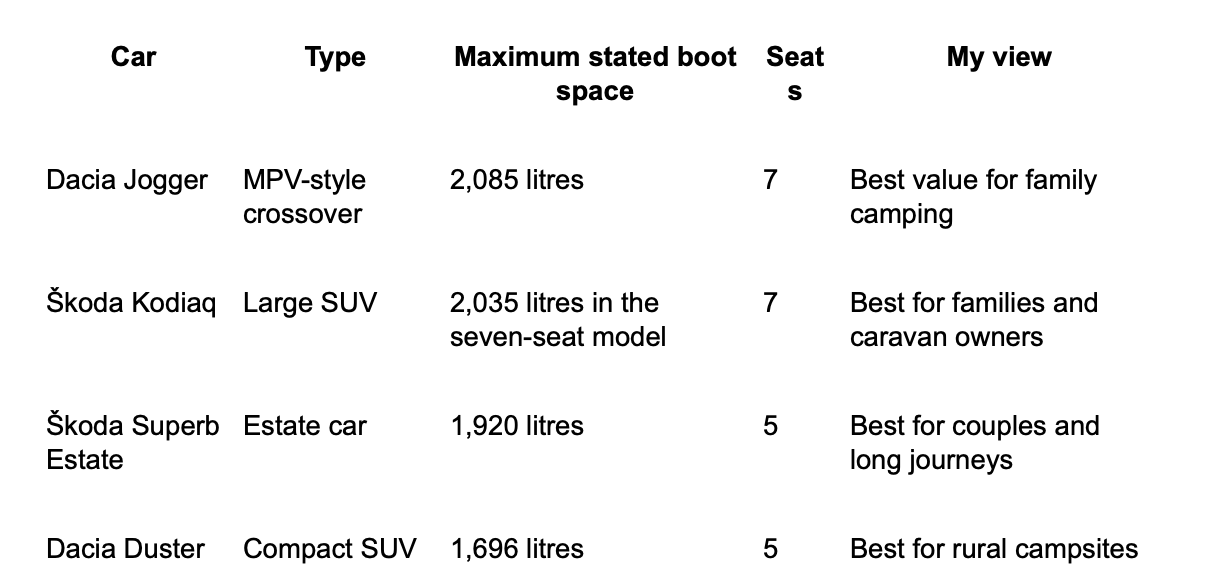
Best for rural campsites
The numbers tell only part of the story. For example, the seven-seat Kodiaq offers 340 litres when all seats are occupied, rising to 2,035 litres with the rear seats folded. The five-seat version can provide 910 litres while carrying five people, depending on specification.
Best Cars for Different Campers
The right choice depends mainly on how many people are travelling and how much equipment comes with them. An estate car is often the most sensible answer for two adults, while families benefit from the taller body and flexible seating of an SUV or MPV.
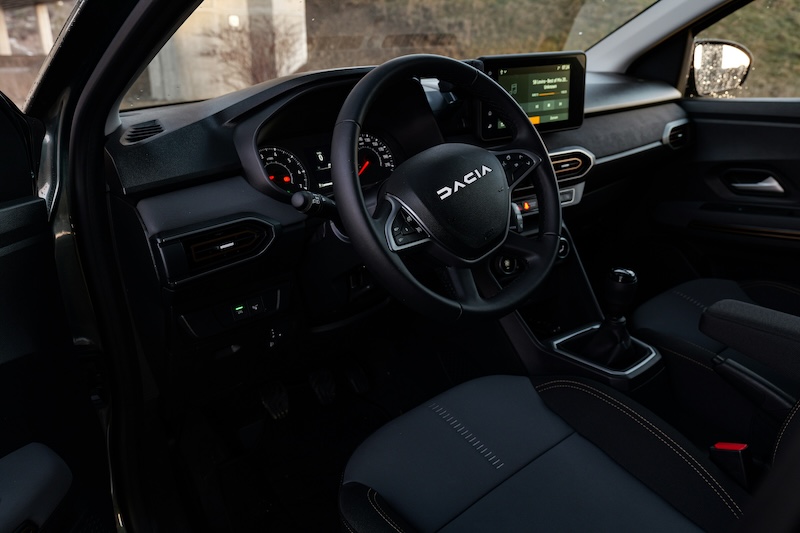
The Jogger stands out when value and capacity matter most. Its cabin can switch between two, five and seven-seat arrangements, making it useful during the week as well as on camping trips. The interior is fairly simple, but that can be an advantage when children, pets and muddy equipment are involved.
The Kodiaq feels more refined and gives passengers more of the comfort expected from a large modern SUV. It is likely to cost more to buy and run, yet the extra refinement will be welcome on long journeys. Some versions also provide four-wheel drive, which makes the car more reassuring on wet fields and rural tracks.
Best Cars for Couples and Solo Campers
The Škoda Superb Estate is a good choice for couples because it provides a huge, long boot without the bulk of a large SUV. It is comfortable on motorways and still feels manageable on ordinary roads. With the rear seats down, there is enough length for bulky camping equipment and, with a suitable platform, some owners may find it practical for occasional nights inside the car.
A smaller estate can still work if you pack lightly. The Škoda Octavia Estate is particularly appealing because it balances passenger room with a large luggage area. RAC lists a 640-litre boot with the seats upright and around 1,700 litres when folded, although figures can vary by generation and version. RAC’s family-car guide supports its reputation as a practical family estate.
An estate car can be a better choice over an SUV for regular motorway travel. The lower body usually feels more car-like, and loading heavy boxes or a cool bag is easier because the boot floor sits closer to the ground.
Best Cars for Family Camping
The Dacia Jogger is a preferred family option when the budget needs to cover both the car and the camping equipment. It carries seven people when required, while the removable or folding rear seating creates a much larger load area for five-person trips.
The Kodiaq is the stronger choice when comfort takes priority. Its wide cabin and large luggage area suit longer holidays, while four-wheel-drive versions add some confidence on poor surfaces. You should still think carefully about whether seven seats are genuinely needed because luggage space becomes much tighter when every seat is occupied.
For families who visit basic rural sites, the Dacia Duster deserves attention. It is smaller than the Kodiaq, easier to place on narrow lanes and offers up to 1,696 litres with the rear seats folded. Dacia’s official Duster dimensions confirm that maximum capacity. Its straightforward interior also feels appropriate for muddy walking boots, dogs and damp coats.
What Matters Before Buying
The most useful comparison comes from thinking about how the car will be packed on a real trip. These are the details that matter most to me:
- The boot should be long and square enough for the largest tent or camping table.
- Rear seats should fold easily and leave a reasonably level floor.
- Passengers need enough space after the car has been loaded.
- Roof bars can provide useful extra capacity for lighter equipment.
- Payload matters because people, luggage and accessories all add weight.
- Towing capacity should match the fully loaded caravan or trailer.
- Running costs should remain reasonable when the car is used every day.
Caravan owners need to look beyond engine power. The permitted towing weight depends on the vehicle, trailer and driving-licence entitlement. GOV.UK states that category BE entitlement allows a trailer with a maximum authorised mass of up to 3,500 kg, but the car’s stated towing limit may be considerably lower. UK towing guidance also explains how licence categories apply.
Overall, the Jogger offers maximum practicality at a sensible price, the Superb Estate for two-person road trips, or the Kodiaq for a larger family and caravan. The Duster remains the most appealing choice when campsites are rural and the journey regularly continues beyond smooth tarmac.